Xbox’s Disc-to-Digital Feature: A 15-Year Journey of Innovation
admin
3 weeks ago
The world of gaming moves at a breakneck pace, but sometimes, the most groundbreaking features are years, if not decades, in the making. When Xbox announced a new feature last month that lets you digitize existing physical game collections, allowing players to unlock digital versions of their disc-based titles, the industry collectively paused. This much-anticipated Xbox disc-to-digital capability feels less like a sudden revelation and more like the culmination of a long-held vision, finally realized at a strategically brilliant moment.
📋 Table of Contents
My mind immediately flashed back to the turbulent launch era of the Xbox One. In 2013, Microsoft unveiled a console with an ambitious, albeit poorly communicated, digital-first strategy. It envisioned a future where games were installed, tied to accounts, and playable without the disc, allowing for family sharing and a truly digital library. The backlash was swift and severe, forcing a rapid retraction of these policies. Gamers, wary of losing ownership and the used game market, weren’t ready. Fast forward to 2026, and the landscape has changed dramatically. The new Xbox disc-to-digital feature is a testament to perseverance, demonstrating how a company can learn from past missteps and reintroduce a concept when the market is finally primed.
The Long Road to Xbox Disc-to-Digital: A Vision Vindicated
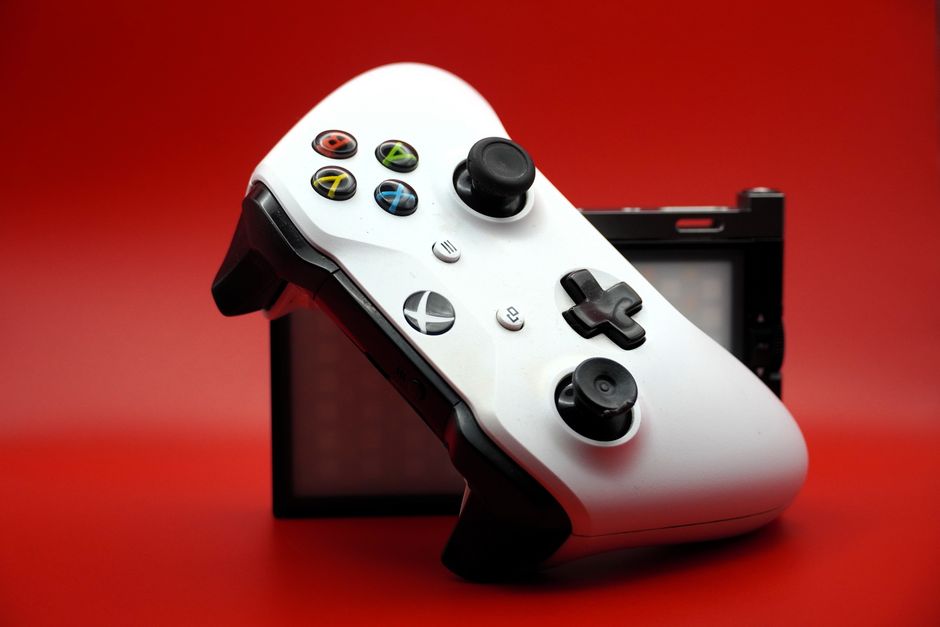
It’s easy to forget just how radical Xbox’s original vision for the Xbox One was. Microsoft was attempting to drag the console market, kicking and screaming, into a digital future that simply hadn’t arrived yet. The concept of an always-online console where physical discs acted more like licenses than tangible assets was met with outrage. The idea of trading in games was paramount for many, and the fear of a world without physical ownership was palpable. Microsoft listened, reversed course, and focused on more traditional console functionalities. However, the underlying desire to offer the convenience and permanence of digital libraries never truly faded within the company.
For years, the dream of comprehensive Xbox digitization has lingered. We’ve seen incremental steps: the rise of digital storefronts, Game Pass, and consoles like the Xbox Series S that are entirely disc-less. Each step chipped away at the perceived necessity of physical media. This new feature isn’t just a convenient add-on; it’s the final piece of the puzzle, allowing those who built significant physical libraries over the decades to seamlessly transition into a digital-first ecosystem without feeling penalized for their past investments. It’s a remarkable display of patience and adaptation, turning a controversial past into a forward-thinking solution.
Why Now? The Strategic Genius of Xbox’s Disc-to-Digital Play
The timing of this announcement is nothing short of masterful. Rumors have been swirling for months, gaining significant traction after last year’s FTC trial documents, that Sony is exploring a future with fewer, if any, physical disc drives in its PlayStation hardware. The very idea of Sony ‘killing PlayStation physical’ has sent ripples of concern through the gaming community, particularly among collectors and those who rely on the used game market. Into this uncertain landscape, Xbox steps forward with a feature that offers a bridge, not a chasm, for physical media owners.
This isn’t just about consumer convenience; it’s a shrewd strategic move in the ongoing console wars. While Sony potentially alienates a segment of its player base by moving away from discs, Xbox offers a solution that respects existing collections while still pushing players towards its digital storefront and subscription services. It strengthens the Xbox ecosystem by giving players a compelling reason to stick with their platform, knowing their entire library, physical and digital, can be consolidated and preserved. This move significantly enhances Xbox’s value proposition, positioning it as a consumer-friendly innovator in an increasingly digital world.
A Seamless Physical Game Conversion for the Modern Gamer
The mechanics of this physical game conversion feature are elegant in their simplicity. Players insert a disc into their console, and after a quick verification process, the game’s digital license is added to their account. The physical disc then becomes obsolete for playing the game, though it retains its collectible value. This process not only frees up shelf space but also ensures that games are always accessible, even if the disc is lost, damaged, or a console’s disc drive eventually fails. For those of us who remember the heart-stopping fear of scratching a beloved game disc, this offers immense peace of mind.
The underlying tech isn’t trivial. It requires a robust database to match disc identifiers to digital licenses, sophisticated account management, and presumably, agreements with publishers to facilitate this conversion. The fact that Xbox has managed to pull this off, likely after years of negotiation and development, speaks volumes about their commitment to the feature. It’s a complex piece of `gaming tech innovation` that addresses a genuine user need born from the transition between physical and digital eras. (See also: Build a Budget Gaming PC: Smooth Performance for Modern Games)
The Broader Impact on Gaming Tech Innovation
This feature goes beyond mere convenience; it represents a significant leap in `gaming tech innovation`. It acknowledges that while digital is the future, the past still holds immense value for millions of players. Key benefits include:
- Accessibility: Games are always available, tied to an account, not a physical object.
- Preservation: It offers a way to future-proof game collections against disc degradation or hardware obsolescence.
- Decluttering: For those who appreciate minimalist living, it’s a dream come true, freeing up valuable shelf space.
- Enhanced Ecosystem: It drives engagement with the Xbox digital storefront and Game Pass, as players become more comfortable with a fully digital library.
Of course, questions remain. Will all games be eligible for `physical game conversion`? Will there be a small fee associated with the conversion process for older titles? And what does this mean for the secondary market for used physical games? These are details that will undoubtedly emerge as the feature rolls out more broadly. However, the overarching message is clear: Xbox is providing a bridge to the future, rather than burning the bridges to the past.
In conclusion, Xbox’s new disc-to-digital feature is far more than just a clever trick; it’s a strategic masterstroke, a vindication of a decade-old vision, and a significant piece of `gaming tech innovation`. By offering a graceful transition from physical to digital, Xbox not only addresses a long-standing desire among gamers but also positions itself as a forward-thinking leader in a rapidly evolving industry. It’s a move that respects player history while confidently steering towards a digital future, and it sets a new benchmark for how platforms can genuinely serve their communities. The 15-year journey from controversial concept to celebrated feature is a powerful reminder that sometimes, the best ideas just need the right moment to truly shine.
❓ Frequently Asked Questions
What is Xbox’s disc-to-digital feature?
Xbox’s disc-to-digital feature allows players to convert their physical game discs into digital licenses, enabling them to play their purchased games without the need for the physical disc.
How long has Xbox been developing this feature?
The article states that Xbox’s disc-to-digital feature has been approximately 15 years in the making, highlighting a long-term development effort to bring this convenience to gamers.
Why is this feature significant for gamers?
This feature offers gamers more flexibility and convenience, preserving their physical game collections in a digital format, aligning with modern gaming trends and future-proofing access to their libraries.
How does Xbox’s disc-to-digital compare to PlayStation’s strategy?
The article suggests Xbox’s feature is a timely response, potentially offering an alternative to Sony’s recent moves regarding PlayStation, which has been perceived by some as moving away from physical media support.



Leave a Reply