Tesla Optimus Robot: Latest Developments & Real-World Use
admin
3 weeks ago

The vision of humanoid robots seamlessly integrating into our daily lives has long been the stuff of science fiction. Yet, with rapid advancements in robotics and AI, that future is drawing closer than ever before. At the forefront of this ambitious frontier is the Tesla Optimus Robot, a project that promises to redefine human-robot interaction and automate tasks previously thought to be exclusively human domains. But how far has the Tesla Optimus Robot truly come, and what are its current real-world capabilities? (See also: Meta Quest 3 Update: New VR Features & Software Explained)
📋 Table of Contents
- The Evolution of the Tesla Optimus Robot: From Concept to Gen 2
- Real-World Capabilities and Envisioned Applications for the Optimus Robot
- The Brains Behind the Brawn: AI and Machine Learning Powering the Tesla Optimus Robot
- Navigating the Future: Cybersecurity and Ethical Considerations
- The Road Ahead for Robotics Developments
The Evolution of the Tesla Optimus Robot: From Concept to Gen 2
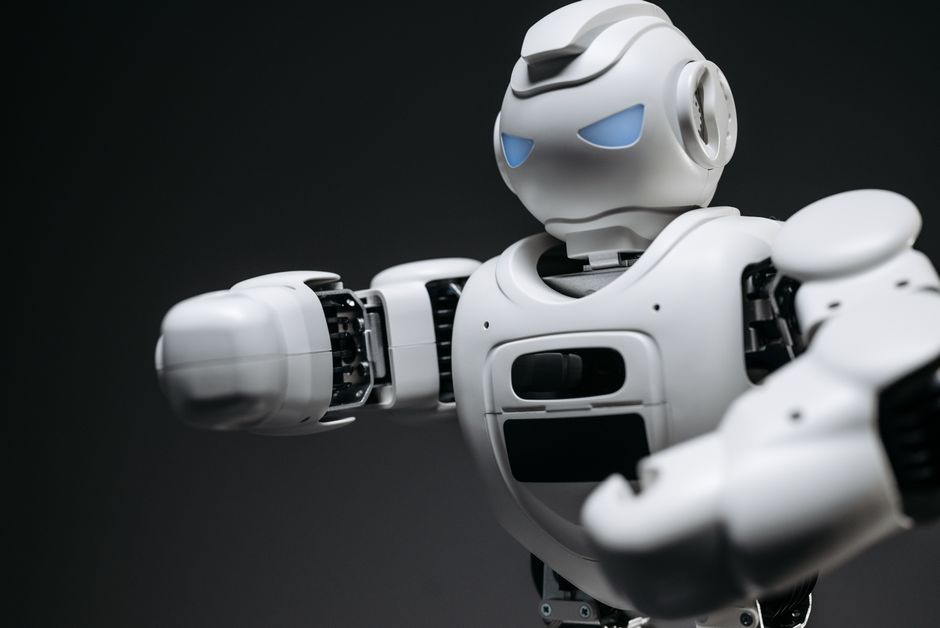
First unveiled as a concept in 2021, the Tesla Optimus Robot, or “Bot” as it’s often referred to internally, quickly captured global attention. Tesla’s bold ambition was to create a general-purpose humanoid robot capable of performing repetitive, dangerous, or mundane tasks, leveraging the company’s deep expertise in AI, batteries, and advanced manufacturing. What began as a somewhat rudimentary prototype, demonstrated by an engineer in a robot suit, has evolved significantly.
Recent updates, particularly from Tesla’s AI Day events and subsequent releases, showcase remarkable progress. The initial “Bumblebee” prototype, capable of walking and carrying a box, laid the groundwork. We’ve since seen the emergence of Gen 1 and, more recently, Gen 2 versions of Optimus. These iterations highlight:
- Increased Dexterity: The hands, often the most challenging aspect of humanoid robotics, have seen substantial improvements. Gen 2 boasts 11 degrees of freedom in its hands, allowing for more intricate manipulation of objects, including handling delicate items like eggs without breaking them.
- Enhanced Speed and Balance: Optimus has demonstrated smoother, faster walking gaits and improved balance, navigating uneven surfaces with greater stability. Tesla has been focusing on more natural human-like movements.
- Advanced Sensory Perception: Leveraging Tesla’s existing camera vision system developed for its autonomous vehicles, Optimus can perceive its environment in 3D, understand object semantics, and learn from human demonstrations.
- Integrated Actuators: The custom-designed actuators, optimized for size, weight, and torque, are crucial for the robot’s fluid movements and strength.
These developments underscore Tesla’s commitment to moving Optimus from a proof-of-concept to a truly functional, general-purpose humanoid robot. The goal isn’t just to make it move, but to make it *think* and *act* intelligently in complex, unstructured environments.
Real-World Capabilities and Envisioned Applications for the Optimus Robot
While still in its developmental phases, the Optimus robot has already demonstrated a range of impressive real-world capabilities. We’ve seen videos of Optimus:
- Performing Basic Factory Tasks: This includes picking up and placing objects, sorting items, and operating machinery within a factory setting – a natural first application given Tesla’s manufacturing prowess.
- Walking and Navigating: The robot can walk autonomously, navigate around obstacles, and maintain balance even when pushed or on uneven ground.
- Dexterous Manipulation: Beyond simple grabs, Optimus has shown it can pick up small, irregularly shaped items, demonstrating a level of fine motor control critical for a wide array of tasks.
Looking ahead, the potential applications for the Tesla humanoid robot are vast and transformative. Elon Musk envisions a future where Optimus could:
- Alleviate Labor Shortages: Filling roles in manufacturing, logistics, and supply chain where human labor is scarce or undesirable.
- Household Assistance: Performing chores, cooking, cleaning, and providing companionship, particularly for the elderly or those with mobility challenges.
- Dangerous and Repetitive Jobs: Taking on tasks in hazardous environments, such as nuclear power plants or disaster zones, or performing highly repetitive tasks that lead to human fatigue and injury.
- Personalized Services: Potentially even serving as a personal assistant, learning individual preferences and adapting to specific needs.
The key differentiator for Optimus is its design to operate in human-centric environments, using human tools, without requiring extensive environmental modifications. This makes its potential for real-world integration significantly higher than specialized industrial robots.
The Brains Behind the Brawn: AI and Machine Learning Powering the Tesla Optimus Robot
What truly sets Optimus apart is the sophisticated artificial intelligence and machine learning algorithms that serve as its brain. Tesla is leveraging its advancements in neural networks, developed for its self-driving cars, to enable Optimus to perceive and understand the world.
The robot learns through a combination of:
- Vision-Based AI: Utilising an array of cameras, Optimus builds a real-time 3D understanding of its surroundings, identifying objects, their properties, and potential interactions.
- Reinforcement Learning: Through trial and error, often in simulation before physical deployment, Optimus refines its motor control and task execution.
- Human Demonstration: A crucial aspect is the ability for humans to ‘tele-operate’ the robot or demonstrate tasks, allowing Optimus to learn by imitation and adapt these movements to its own physical form.
This deep integration of AI is what allows the Optimus robot capabilities to extend beyond simple programmed movements, enabling it to adapt to unforeseen circumstances and learn new tasks efficiently. It’s not just following commands; it’s understanding intent and executing complex actions autonomously.
Navigating the Future: Cybersecurity and Ethical Considerations
As a cybersecurity expert, the emergence of advanced robotics like the Tesla Optimus Robot brings both excitement and a healthy dose of caution. While the benefits are clear, we must proactively address the inherent cybersecurity and ethical challenges that such widespread robotics developments will introduce.
Consider the following:
- Data Privacy: If Optimus robots operate in our homes, factories, and public spaces, they will inevitably collect vast amounts of sensory data about our environments, habits, and even personal interactions. How will this data be stored, secured, and used? Robust encryption, anonymization, and strict access controls will be non-negotiable.
- Malware and Hacking: A compromised Optimus robot could pose significant physical and digital threats. Imagine a bot in a factory being instructed to damage machinery, or a home assistant being manipulated to spy on occupants or even cause physical harm. Secure boot processes, regular software updates, and intrusion detection systems will be vital.
- Supply Chain Security: As these robots become commonplace, ensuring the integrity of their hardware and software supply chains, from components to final assembly, will be paramount to prevent embedded vulnerabilities.
- Ethical AI and Bias: The AI powering Optimus will learn from human data. We must ensure that this data is diverse and unbiased to prevent the robots from perpetuating or even amplifying societal biases in their decision-making. Transparency in AI decision-making will be crucial.
- Physical Security Risks: Beyond data, a hacked robot could be weaponized or used for unauthorized access. Physical tamper-proofing and secure remote disabling capabilities are essential safeguards.
The industry must collaborate on open standards for robot security, similar to how IoT security is slowly evolving. Users, too, will need education on how to manage their robot’s permissions and keep its software updated. The promise of the Optimus robot is immense, but its integration into society must be accompanied by a proactive and robust framework for cybersecurity and ethical governance.
The Road Ahead for Robotics Developments
The Tesla Optimus Robot represents a significant leap in robotics developments, pushing the boundaries of what humanoid robots can achieve. While mass production and widespread deployment are still some years away, the progress demonstrated by Tesla is undeniably impressive. The journey from a static concept to a dexterous, walking, and learning machine has been rapid, propelled by breakthroughs in AI, materials science, and actuator technology.
The future envisioned by Tesla is one where Optimus robots augment human capabilities, automate undesirable tasks, and ultimately contribute to a more abundant society. However, as we stand on the cusp of this robotic revolution, it’s crucial for us, as users and citizens, to engage with these technologies critically. Understanding their capabilities, potential, and inherent risks will ensure that robotics developments like Optimus serve humanity’s best interests, creating a future that is not only technologically advanced but also secure and equitable for all. (See also: Tesla Optimus Robot: Latest Developments & Real-World Capabilities)
❓ Frequently Asked Questions
What is the Tesla Optimus robot?
The Tesla Optimus, also known as “Bumblebee,” is a humanoid robot developed by Tesla Inc., designed to perform repetitive and dangerous tasks in human environments.
What are the latest developments for Optimus?
Recent developments for Optimus include improved dexterity, faster walking speed, better object manipulation, and enhanced AI for executing more complex and nuanced tasks.
What real-world capabilities does Optimus currently have?
Optimus can currently perform basic factory tasks like lifting objects, sorting items, using tools, and navigating environments, with ongoing improvements for broader applications.
When will the Tesla Optimus be available commercially?
While Tesla has demonstrated prototypes and continuous progress, a definitive commercial release date for Optimus has not been officially announced, but it’s anticipated in the coming years.

Leave a Reply