Tesla Optimus Robot: Latest Developments & Real-World Capabilities
admin
3 weeks ago
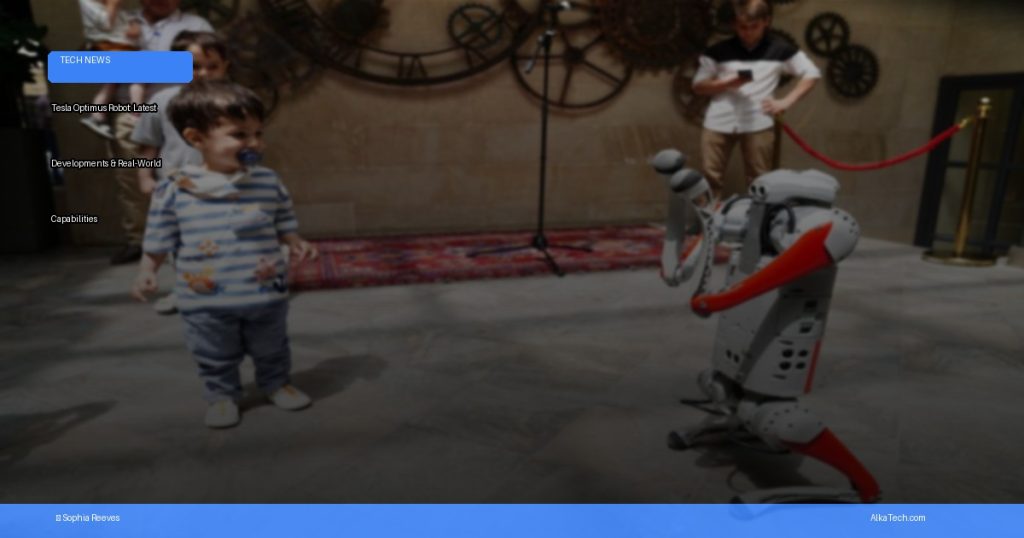
The vision of a future populated by intelligent, human-like robots has long captivated our imaginations, often confined to the realms of science fiction. But as a tech journalist covering the rapid pace of innovation, it’s clear that future is drawing closer with every significant breakthrough. Few companies embody this relentless pursuit of advanced robotics more than Tesla, and their ambitious project, the Tesla Optimus robot, is arguably at the forefront of this revolution. From its initial reveal, the Tesla Optimus robot has sparked intense debate, a mix of skepticism and excitement, but its latest developments are undeniably pushing the boundaries of what humanoid robots can achieve.
📋 Table of Contents
For years, Tesla has been synonymous with electric vehicles and sustainable energy solutions. However, under the visionary leadership of Elon Musk, the company’s true long-term play increasingly appears to be rooted in artificial intelligence and robotics. The Optimus project, first unveiled at Tesla’s AI Day in 2021, aims to create a mass-producible, general-purpose humanoid robot capable of performing a wide array of tasks, from mundane factory work to household chores. The journey of Optimus robot development has been remarkably swift, moving from static mock-ups to walking prototypes in a short span, showcasing Tesla’s characteristic rapid iteration.
The Journey So Far: Early Iterations of the Tesla Optimus Robot
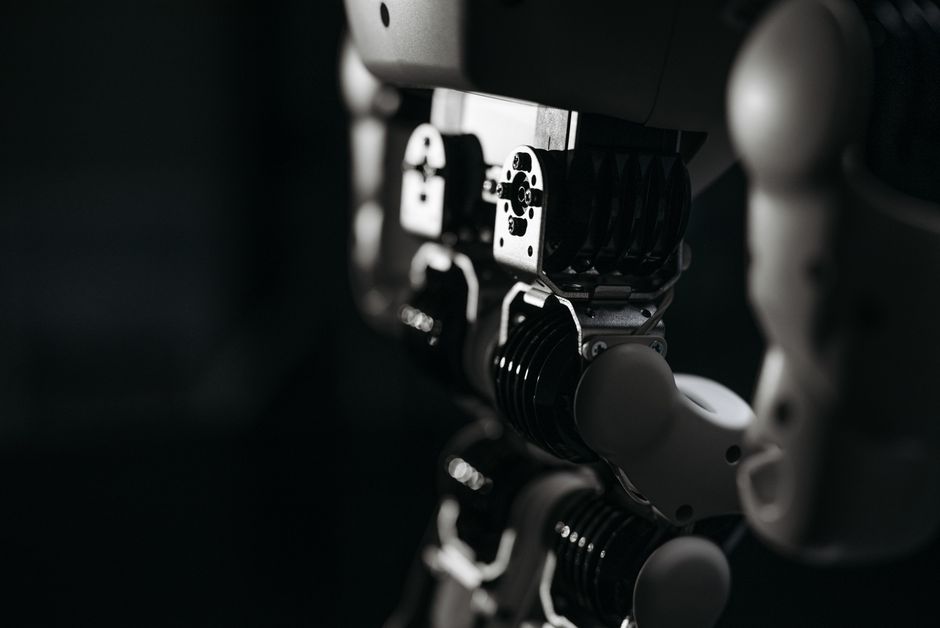
When the Optimus project was first introduced, many were understandably skeptical. Tesla’s bold claims about a functional humanoid robot seemed distant, especially given the complex challenges involved in creating a bipedal machine that can interact with the unpredictable real world. However, Tesla quickly delivered on its promises of rapid prototyping.
- Bumblebee Prototype: The initial functional prototype, nicknamed “Bumblebee,” was a stripped-down version, designed primarily to validate the basic walking mechanisms and battery systems. It demonstrated initial bipedal movement and the ability to carry objects, proving the fundamental mechanical design.
- Gen 1 Optimus: Following Bumblebee, Tesla showcased the Gen 1 Optimus, a more refined version with articulated hands and a sleeker form factor. This iteration began to demonstrate more complex movements, including walking at a moderate pace and performing simple manipulation tasks in a controlled factory environment, such as picking up and moving parts. It was a clear signal that the Optimus robot development was accelerating, moving beyond mere locomotion to rudimentary interaction.
These early versions, while not flawless, underscored Tesla’s unique approach: leveraging its expertise in electric motors, battery technology, and, crucially, artificial intelligence from its Full Self-Driving (FSD) program to accelerate robotics development. The ambition was clear: to create a robot that could eventually integrate seamlessly into human-centric environments, replacing dangerous, repetitive, or dirty jobs.
Unpacking the Latest Optimus Robot Development
The recent showcases of the Tesla Optimus robot have been nothing short of impressive, revealing significant leaps in both hardware and software. These advancements are crucial for the robot to move from controlled demonstrations to truly practical applications.
Hardware Evolution: Dexterity and Durability
The latest Optimus iterations boast substantial hardware upgrades. The most noticeable improvements are in dexterity and locomotion. The hands, for instance, have been redesigned to offer greater precision and strength, often featuring up to 11 degrees of freedom per hand, along with tactile sensing capabilities. This allows the robot to handle delicate objects with care and perform more intricate tasks. The actuators and joints have also been refined, providing smoother, more natural movements and greater force output relative to the robot’s weight. Tesla is clearly focusing on a design that is robust, energy-efficient, and capable of sustained operation, mirroring the reliability expected from industrial machinery.
Software and Tesla AI Breakthroughs
Perhaps the most critical advancements lie in the software and the underlying Tesla AI. Optimus is not just a collection of motors and gears; it’s an AI-powered entity. Tesla’s approach is deeply rooted in its real-world AI strategy, leveraging neural networks and vast amounts of data, much like its FSD system. The robot’s perception system, based on vision-only cameras, allows it to understand its environment, identify objects, and navigate complex spaces without relying on lidar, a costly component common in many other robotics platforms. Key software developments include:
- Imitation Learning: Optimus can now learn tasks by observing human demonstrations, either through tele-operation or by watching videos. This significantly reduces the programming burden and allows for rapid skill acquisition.
- Improved Dexterity and Fine Motor Control: The AI now enables the robot to perform more precise manipulation tasks, such as accurately sorting objects, picking up tiny components, and even demonstrating tasks that require delicate touch, like folding clothes.
- Enhanced Navigation and Path Planning: The robot can now navigate more complex and dynamic environments, avoiding obstacles and adapting to changes in real-time, showcasing increasingly robust humanoid robot capabilities.
These AI advancements are critical, as they dictate the robot’s ability to perceive, understand, and act autonomously in the unpredictable real world, moving beyond pre-programmed routines.
Real-World Humanoid Robot Capabilities: Beyond the Lab
The true measure of any advanced robot lies in its ability to perform useful tasks in varied environments. Recent demonstrations of Optimus have started to bridge the gap between lab-controlled environments and potential real-world applications.
Demonstrated Skills and Practical Applications
The latest footage of Optimus shows it performing a variety of practical tasks:
- Factory Work: Operating machinery, moving items on conveyor belts, and sorting components, tasks that are common in Tesla’s own Gigafactories. This is a clear target application for initial deployment.
- Precision Manipulation: Demonstrations of the robot handling fragile or small items, showcasing its improved hand dexterity and AI control.
- Environmental Adaptation: Walking on uneven surfaces, maintaining balance, and recovering from minor disturbances, all vital for navigating diverse human environments.
- Household Chores: While still in early stages, some demonstrations hint at future domestic applications, such as folding laundry, underscoring the potential for the Optimus to assist in everyday life.
These are not just parlor tricks; they represent foundational steps toward developing truly versatile humanoid robot capabilities. The vision is for Optimus to eventually perform tasks that are currently too dangerous, dull, or repetitive for humans, thereby freeing up human capital for more creative and fulfilling work.
Challenges and the Road Ahead
Despite the impressive progress, significant challenges remain. Robustness in truly unstructured environments, generalization of learned skills to novel situations, and safe interaction with humans are complex hurdles. The cost of production at scale, regulatory frameworks, and societal acceptance are also major considerations. Tesla’s ambition is to produce Optimus at a scale comparable to its vehicles, which would drive down costs dramatically, but this is a long-term goal. The ethical implications of widespread humanoid robot deployment, especially concerning workforce displacement, also require careful consideration as the technology matures. (See also: Google AI Updates: How Search Will Change in 2025)
The Broader Impact of Tesla’s Humanoid Vision
The implications of a truly functional, affordable, and mass-produced Tesla Optimus robot extend far beyond factory floors. It could fundamentally reshape industries, economies, and even daily life. From assisting the elderly and disabled to undertaking disaster relief or even space exploration, the potential applications are vast. Tesla’s unique position, combining deep AI expertise with large-scale manufacturing capabilities, gives it a distinct advantage in bringing this vision to fruition. The development of Optimus isn’t just about building a robot; it’s about redefining the future of work, human-robot interaction, and the very concept of automation. It represents a bold step towards a future where intelligent machines collaborate with humans, amplifying our capabilities and addressing some of the world’s most pressing challenges. (See also: Microsoft Word News Breakdown: What New Updates Mean for You)
The journey of the Tesla Optimus robot is far from over, but its rapid evolution from concept to a demonstrably capable machine is a testament to Tesla’s engineering prowess and relentless innovation in AI. While questions about widespread deployment, safety, and societal impact remain, the recent advancements confirm that Optimus is not just an ambitious idea but a tangible project making significant strides towards becoming a real-world participant in our future. As tech analysts, watching this unfold is not just fascinating; it’s witnessing the foundational elements of a new era of human-robot collaboration being laid brick by robotic brick. The future, it seems, will indeed have a humanoid form.
❓ Frequently Asked Questions
What is the Tesla Optimus robot?
The Tesla Optimus, also known as Tesla Bot, is a humanoid robot project by Tesla designed to perform general-purpose tasks.
What are Optimus’s current real-world capabilities?
Optimus can currently perform basic tasks like walking, grasping objects, performing precise manipulations, and learning from human demonstrations.
When is the Tesla Optimus robot expected to be released?
While Tesla aims for production readiness in the coming years, a definitive commercial release date for Optimus has not yet been announced.
What is the primary goal of the Optimus project?
The main goal of the Optimus project is to create a mass-producible, affordable humanoid robot that can replace human labor in repetitive, dangerous, or tedious tasks.

Leave a Reply