Flagship Smartphone Cameras Compared: Who Takes the Best Photos?
admin
2 months ago
Every year, the question echoes through the tech world: which phone takes the absolute best photos? For a decade, I’ve been dissecting the intricacies of Silicon Valley’s finest, and one constant remains – the relentless pursuit of photographic perfection in our pockets. This year, the battle among flagship smartphone cameras is more intense and nuanced than ever, pushing the boundaries of what these pocketable powerhouses can achieve.
📋 Table of Contents
Gone are the days when sheer megapixels dictated dominance. Today, the magic happens within the sophisticated dance between cutting-edge hardware and advanced computational photography. As consumers demand professional-grade results from their daily drivers, manufacturers are pouring immense resources into perfecting every pixel. So, if you’re chasing the ultimate best phone camera experience, let’s dive deep into the contenders and uncover who truly stands out in this fierce smartphone camera comparison.
The Contenders: Who’s Leading the Pack in Flagship Smartphone Cameras?
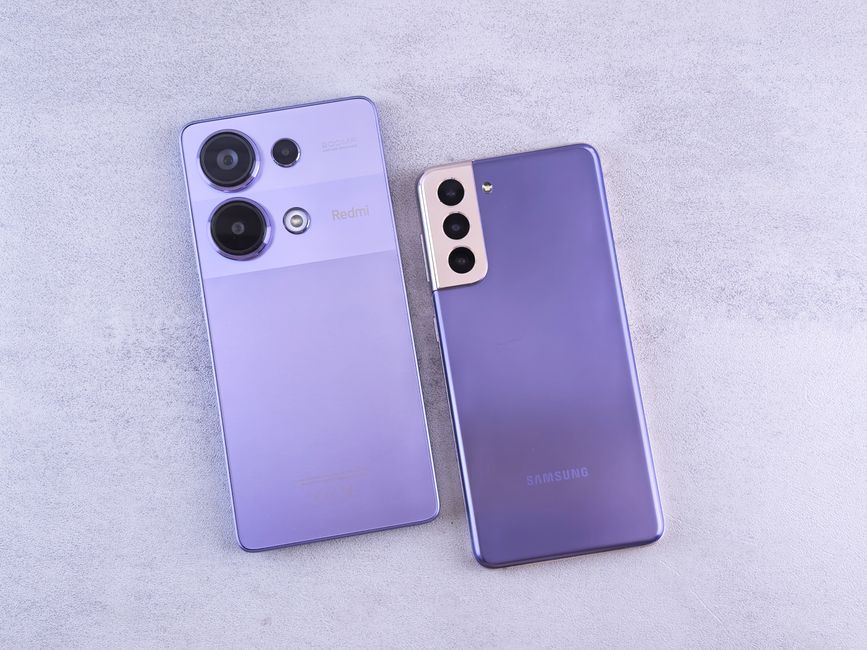
The premium segment is a tight race, primarily dominated by a few key players who consistently push the envelope. While many brands offer excellent imaging, Apple, Samsung, and Google typically set the benchmark for innovation and user experience. Each approaches the challenge with a distinct philosophy, appealing to different preferences in phone photography.
Apple’s iPhone: The Consistent Performer
Apple has long been lauded for its ‘point-and-shoot’ reliability. iPhones consistently deliver natural, true-to-life colors and excellent exposure, making them a favorite for those who simply want to snap a great photo without fiddling with settings. Their video capabilities remain industry-leading, with superb stabilization, dynamic range, and features like Cinematic Mode, which brings Hollywood-esque depth-of-field effects to your handheld footage. The Photonic Engine, introduced recently, further enhances low-light performance and detail, ensuring that even challenging scenes are captured with clarity and minimal noise.
Samsung Galaxy: The Versatile Powerhouse
Samsung’s Galaxy Ultra series phones are often characterized by their ‘everything but the kitchen sink’ approach, especially when it comes to hardware. They boast impressive zoom capabilities, often featuring periscope lenses that offer unparalleled optical zoom ranges (up to 10x optical and 100x digital ‘Space Zoom’). Samsung images tend to be vibrant, sometimes pushing saturation slightly, which many users find appealing. Their Pro Mode offers extensive manual controls, and features like Expert RAW provide photographers with greater post-processing flexibility. If you crave versatility, especially for telephoto shots, Samsung is a formidable choice.
Google Pixel: The AI Photography King
Google Pixels have always punched above their weight, not necessarily with the largest sensors or most lenses, but with sheer computational wizardry. Google’s approach prioritizes a natural, true-to-scene look, often excelling in tricky lighting conditions thanks to its advanced HDR+ and Night Sight algorithms. Features like Real Tone ensure accurate skin representation across diverse tones, and the suite of AI editing tools like Magic Eraser and Photo Unblur makes post-capture enhancements incredibly easy and effective. For those who value computational photography and a clean, realistic aesthetic, the Pixel often reigns supreme.
The Challengers: Xiaomi, Oppo, and More
It would be remiss not to mention the significant strides made by brands like Xiaomi, Oppo, and OnePlus. Often collaborating with traditional camera giants like Leica or Hasselblad, these phones frequently feature large sensors, unique optical elements, and specialized processing. They push boundaries with ultra-fast charging, innovative designs, and often offer compelling value, proving that the innovation isn’t exclusive to the established trio.
Beyond Megapixels: What Truly Makes the Best Phone Camera?
The days of judging a camera solely by its megapixel count are long gone. While a higher megapixel count can offer more detail, it’s just one piece of a much larger, more complex puzzle. When evaluating flagship smartphone cameras, several critical factors come into play:
- Sensor Size: A larger sensor can gather more light, leading to better low-light performance and dynamic range, producing cleaner images with less noise.
- Aperture: A wider aperture (smaller f-number) allows more light in, crucial for low-light shots and creating natural background blur (bokeh).
- Lens Quality & Optics: High-quality glass elements minimize distortion and chromatic aberration, ensuring sharper, clearer images.
- Computational Photography: This is the true game-changer. AI and machine learning algorithms process multiple frames, correct imperfections, enhance detail, and create effects like HDR, Night Mode, and Portrait Mode.
- Software Optimization: How well the camera app integrates with the hardware, ease of use, and speed of capture significantly impact the user experience.
- Video Capabilities: Resolution (4K, 8K), frame rates, stabilization (OIS, EIS), and special video modes are increasingly important.
- Versatility: The range of lenses (ultrawide, telephoto, macro) and their quality determines how adaptable the camera is to different shooting scenarios.
Real-World Scenarios: Where Each Shines
The ‘best’ camera often depends on what you’re shooting and your personal style:
- Low Light: Google Pixel often leads for natural, well-exposed low-light photos without artificial brighteners. iPhone is excellent for balancing detail and noise, while Samsung can sometimes over-brighten, losing some ambiance.
- Portraits: iPhone excels with natural skin tones and consistent bokeh. Pixel offers superb edge detection and realistic subject separation. Samsung often provides more customizable blur options but can sometimes struggle with fine hair.
- Zoom: Samsung’s Galaxy Ultra series is the undisputed champion for optical zoom, making it ideal for distant subjects. iPhone and Pixel offer impressive digital zoom for their hardware, but physical telephoto lenses still win.
- Video: iPhone consistently delivers the most stable, cinematic video with excellent dynamic range and reliable autofocus. Samsung and Pixel have made significant strides but often trail slightly in consistency and low-light video performance.
- Everyday Snaps: For quick, reliable point-and-shoot results that look great straight out of the camera, all three are fantastic, but iPhone often gets the nod for its sheer consistency and ease.
The Verdict on Flagship Smartphone Cameras: It’s All About You
After a decade of scrutinizing every lens, sensor, and software update, the answer to “which phone takes the best photos?” remains delightfully complex: it depends on your priorities. There isn’t a single, universally “best” camera, but rather a best fit for your specific needs and aesthetic preferences.
If you value consistency, natural colors, and industry-leading video, the iPhone is likely your champion. If you crave unparalleled versatility, especially in zoom, and a punchy, vibrant look, Samsung’s Galaxy Ultra is a powerhouse. And if computational photography, realistic imagery, and intelligent AI features are at the top of your list, then the Google Pixel will undoubtedly impress. Other brands continue to innovate, offering compelling alternatives for those seeking unique features or specific partnerships.
Ultimately, the advancements in flagship smartphone cameras mean that no matter which top-tier device you choose, you’re getting an incredibly capable tool for capturing life’s moments. The future of phone photography isn’t just about hardware; it’s about the seamless integration of optics, sensors, and the ever-evolving intelligence of software, ensuring that the power to create stunning images is literally in the palm of your hand. (See also: Best Noise-Canceling Headphones: Price vs. Performance Comparison)
❓ Frequently Asked Questions
Which flagship phone has the best overall camera in 2024?
Our comparison reveals top performers like the iPhone 15 Pro Max and Samsung Galaxy S24 Ultra, each excelling in different scenarios from portraits to low-light shots.
How do flagship phone cameras compare in low light performance?
Modern flagship cameras use advanced computational photography to produce excellent low-light images, with some brands having a slight edge in noise reduction and detail preservation.
Is megapixels the most important factor for phone camera quality?
No, megapixels are just one factor. Sensor size, aperture, image processing, and sophisticated software algorithms are equally, if not more, crucial for superior photo quality.
Which flagship phone is best for video recording?
The iPhone series often leads in video quality and stabilization, but other flagships like the Samsung Galaxy Ultra are rapidly catching up with advanced features like ProRes and 8K recording capabilities.


Leave a Reply