Best Mechanical Keyboards for Programmers & Power Users in 2025
admin
2 months ago
For the digital architect, the code sculptor, the command-line maestro – your keyboard isn’t just an input device; it’s an extension of your mind. In 2025, the pursuit of the perfect typing instrument for programmers and power users continues to evolve, and finding the best mechanical keyboards is more exciting than ever. Having spent a decade immersed in Silicon Valley’s innovation and global gadget trends, I’ve seen countless keyboards come and go, but the enduring appeal and functional superiority of mechanical keyboards for serious users remain unchallenged.
📋 Table of Contents
Why do programmers and power users gravitate towards mechanical keyboards? It boils down to precision, durability, customizability, and an unparalleled typing experience. Unlike their membrane counterparts, mechanical switches offer distinct tactile feedback, audible clicks, or smooth linear travel, making each keystroke deliberate and satisfying. This translates to fewer errors, faster typing speeds, and significantly reduced fatigue during marathon coding sessions or intense workflow management. (See also: Best Mechanical Keyboards for Programmers & Power Users 2025)
As we delve into the landscape of 2025, several factors distinguish a good mechanical keyboard from a truly great one for our specific audience:
- Build Quality: Robust frames (aluminum, steel) that minimize flex and provide a solid typing platform.
- Switch Variety & Hot-Swappability: The ability to easily swap switches without soldering allows users to experiment and find their perfect feel, from clicky Blues to silent linear Silvers or tactile Browns.
- Programmability (QMK/VIA): Crucial for programmers and power users to remap keys, create macros, and customize layers for optimal workflow efficiency.
- Layout Options: While full-size keyboards have their place, compact layouts like TKL (Tenkeyless), 75%, 65%, and even 60% are often preferred for ergonomics and desk space.
- Connectivity: Reliable wired (USB-C) for zero latency, and advanced wireless (Bluetooth 5.0+, 2.4GHz) for flexibility and multi-device support.
- Ergonomics & Sound Profile: Features like adjustable feet, wrist rests, and a pleasant, consistent sound are vital for long-term comfort and focus.
The Best Mechanical Keyboards for Programmers & Power Users in 2025
Keychron Q-Series Pro (e.g., Q3 Pro)
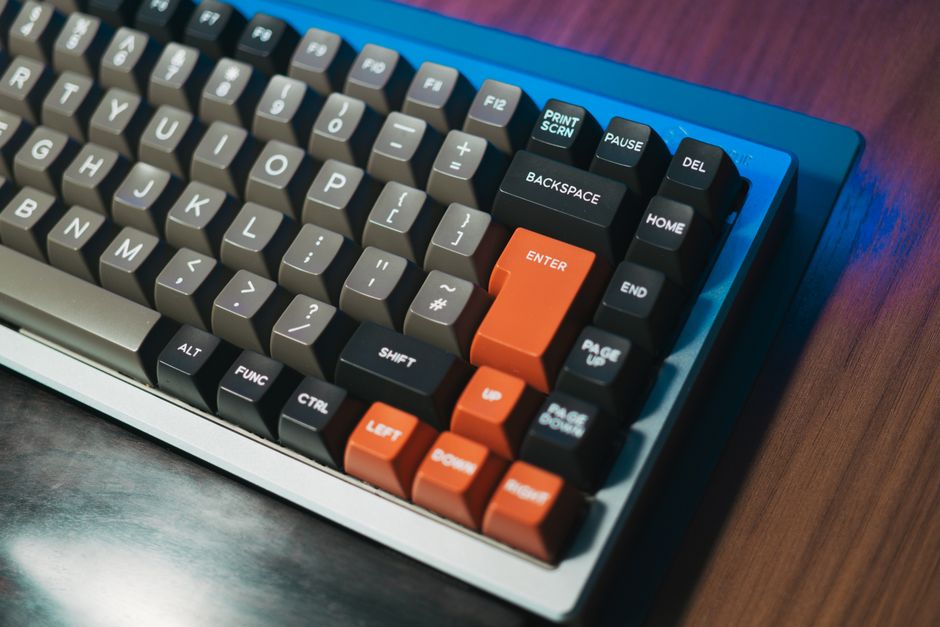
Keychron has become synonymous with accessible excellence in the custom keyboard space, and their Q-Series Pro models represent the pinnacle for many programmers and power users. The Q3 Pro, for instance, offers a glorious gasket-mounted design, full aluminum CNC machined body, and QMK/VIA programmability right out of the box. Its hot-swappable sockets mean you can instantly change switches to suit your preference, whether it’s Keychron’s own K Pro switches or your favorite Gaterons, Kailhs, or Cherries. With tri-mode connectivity (wired, Bluetooth, 2.4GHz), Mac/Windows compatibility, and a premium typing feel, the Q3 Pro is a robust, versatile workhorse that can be tailored to almost any need.
- Pros: Premium aluminum build, gasket mount for soft typing feel, QMK/VIA support, hot-swappable, tri-mode connectivity, excellent value.
- Cons: Can be heavy; stock keycaps/switches might not be everyone’s endgame.
Logitech MX Mechanical S
For those who prioritize seamless integration, multi-device connectivity, and a refined, productivity-focused experience, the Logitech MX Mechanical S (and its low-profile sibling) continues to dominate. While not as customizable as some boutique options, its strengths lie in its mature software ecosystem (Logi Options+), excellent multi-device Bluetooth, and the inclusion of a dedicated 2.4GHz USB receiver for ultra-reliable wireless performance. Available with Tactile Quiet (brown), Clicky (blue), or Linear (red) switches, it offers a comfortable and responsive typing experience. The MX Mechanical S is an ideal choice for the power user who switches between multiple computers or tablets frequently and values a sleek, professional aesthetic without sacrificing the benefits of mechanical switches. (See also: Best Tablets for Creative Professionals & Digital Artists)
- Pros: Superb multi-device wireless, excellent software suite, comfortable low-profile option, great battery life.
- Cons: Limited switch options, not hot-swappable, less customizable than enthusiast boards.
Wooting 60HE
While often marketed towards gamers, the Wooting 60HE offers revolutionary technology that has significant implications for power users and even competitive programmers. Featuring Hall Effect switches with rapid trigger functionality, this keyboard allows for instantaneous key actuation and de-actuation based on how far you press or release a key. This precision can be transformative for specific power user applications requiring ultra-fine motor control or for coders who want to experiment with hyper-responsive input. Its QMK-like software (Wootility) offers deep customization, allowing for analog input, multiple actuation points, and even assigning multiple actions to a single key based on press depth. It’s a glimpse into the future of keyboard technology.
- Pros: Unparalleled rapid trigger technology, highly customizable actuation points, robust software, extremely responsive.
- Cons: 60% layout requires adjustment for some, primarily wired, might be overkill for casual typing.
Glorious GMMK Pro 2
The original GMMK Pro democratized the custom keyboard scene, and its successor, the GMMK Pro 2, builds upon that legacy, making it one of the best mechanical keyboards for those looking to dive deeper into customization without breaking the bank. This 75% layout keyboard features a gasket-mounted design, hot-swappable switches, and robust software support through Glorious CORE (with QMK/VIA compatibility for enthusiasts). Its aluminum frame provides a premium feel, and the barebones kit allows you to choose your switches and keycaps, creating a truly personalized typing experience. It’s a fantastic platform for programmers and power users who want a high-quality, modifiable board that can evolve with their preferences.
- Pros: Excellent value for a barebones custom kit, gasket-mounted, hot-swappable, 75% layout, good build quality.
- Cons: Requires separate purchase of switches and keycaps; stock stabilizers might need modding for optimal performance.
NuPhy Halo Series (e.g., Halo75)
For those who crave a blend of unique aesthetics, exceptional sound, and a highly satisfying typing experience, the NuPhy Halo series stands out. Keyboards like the Halo75 offer a distinctive “Halo” lighting strip, gorgeous keycap designs, and a refined sound profile right out of the box thanks to their integrated plate foam and silicone dampening. With hot-swappable switches (including NuPhy’s own excellent offerings), tri-mode connectivity, and a compact 75% layout, they provide both form and function. They are an excellent choice for programmers and power users who appreciate a keyboard that not only performs brilliantly but also adds a touch of modern design flair to their workspace.
- Pros: Beautiful design, great sound profile out-of-the-box, tri-mode connectivity, hot-swappable, excellent stock keycaps.
- Cons: Software for customization can be less robust than QMK/VIA; unique aesthetic might not appeal to everyone.
Beyond the Board: Key Trends in Mechanical Keyboards for 2025
The mechanical keyboard scene in 2025 is vibrant, with continuous innovation. We’re seeing a push towards more energy-efficient wireless solutions, extending battery life without compromising latency. The proliferation of Hall Effect switches, as seen in the Wooting, suggests a future where granular control over actuation and customization becomes standard. Moreover, the open-source firmware community (QMK/VIA) continues to mature, offering deeper integration and easier customization for an expanding array of boards. Ergonomics are also taking center stage, with more split, columnar, and adjustable boards entering the mainstream.
Choosing the right mechanical keyboard in 2025 isn’t just about picking a product; it’s about investing in a critical tool that enhances productivity, comfort,
❓ Frequently Asked Questions
Why are mechanical keyboards preferred by programmers?
Mechanical keyboards offer superior tactile feedback, durability, and customization options (switches, keycaps) that can improve typing speed, reduce fatigue, and enhance overall productivity for programmers.
What type of mechanical switch is best for programming?
The best switch type depends on personal preference. Tactile switches (like Cherry MX Brown) are popular for their feedback without being too loud, while linear switches (like Cherry MX Red) offer smooth, fast actuation. Some prefer clicky switches for the audible feedback.
Are wireless mechanical keyboards suitable for programmers?
Yes, modern wireless mechanical keyboards offer reliable low-latency connectivity, making them perfectly suitable for programming without sacrificing performance. They also contribute to a cleaner, more minimalist desk setup.
What features should a programmer look for in a mechanical keyboard?
Programmers should prioritize durable switches, customizable key mapping (macro support), N-key rollover, a comfortable form factor (TKL or full-size are common), and robust build quality. Backlighting and hot-swappable switches are also popular considerations.



Leave a Reply