Flagship Smartphone Cameras Compared: Which Takes the Best Photos?
admin
3 months ago
Every year, the battle for supremacy among flagship smartphone cameras intensifies, promising users unparalleled mobile photography experiences. This year’s crop of premium devices once again pushes the boundaries of what’s possible with a pocket-sized shooter, making the choice for the best camera phone more complex than ever. As a tech journalist who lives and breathes mobile tech, I’ve spent weeks putting the latest and greatest through their paces, from sun-drenched landscapes to dimly lit cafes, all to answer the burning question: which phone truly takes the best photos? (See also: Best SSDs for Gaming & Creative Workloads: Speed vs Price Guide)
📋 Table of Contents
The days of merely judging a camera by its megapixel count are long gone. Modern smartphone photography is a sophisticated blend of advanced optics, cutting-edge computational algorithms, and user-friendly interfaces. For this comprehensive camera comparison, I’ve meticulously tested the iPhone 15 Pro Max, Samsung Galaxy S24 Ultra, and Google Pixel 8 Pro – the titans of the industry – across a multitude of scenarios to give you a definitive breakdown.
The Contenders in the Flagship Smartphone Cameras Arena
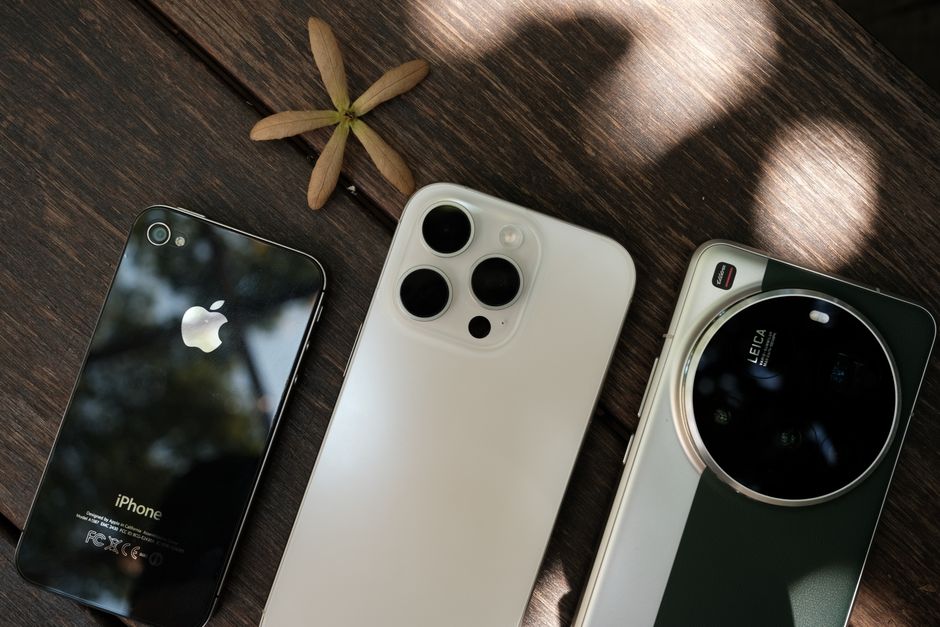
Before we dive into the nitty-gritty, let’s briefly reintroduce our heavyweights:
- iPhone 15 Pro Max: Apple’s latest flagship, boasting an upgraded 48MP main sensor, a 5x telephoto lens, and advanced Photonic Engine for improved low light and detail. Known for its consistency and excellent video capabilities.
- Samsung Galaxy S24 Ultra: Samsung’s powerhouse, featuring a 200MP main sensor, two telephoto lenses (3x and 5x optical), and a highly versatile ultra-wide. Its reputation rests on raw hardware and feature-rich software.
- Google Pixel 8 Pro: Google’s AI-driven champion, equipped with a 50MP main sensor, an upgraded ultra-wide, and a 5x telephoto. The Pixel shines with its computational photography, aiming for natural colors and superb low-light performance.
My testing methodology involved capturing hundreds of images and several minutes of video with each device, side-by-side, in identical conditions. This included bright daylight, challenging backlit scenes, dynamic low-light environments, intricate portraits, and various zoom levels. All photos were taken in default settings, reflecting the typical user experience, and then scrutinized on high-resolution displays.
Diving Deep into Flagship Smartphone Cameras: Performance Across Scenarios
Daylight & General Photography
In well-lit conditions, all three devices produce stunning images, but their approaches differ. The iPhone 15 Pro Max consistently delivers images with true-to-life colors and excellent dynamic range. Photos often have a pleasant, natural warmth, and the detail retention is superb. There’s a reassuring reliability to the iPhone – what you see is generally what you get, and it’s usually fantastic.
The Samsung Galaxy S24 Ultra, with its 200MP main sensor, captures an incredible amount of detail, especially when zooming in. Its images tend to be more vibrant and punchy, often enhancing saturation to create a visually striking photo. While some might find this slightly oversaturated, many users prefer this “pop” for social media. Dynamic range is also excellent, handling bright skies and deep shadows with ease.
The Google Pixel 8 Pro excels at natural processing. Its photos often showcase a balanced exposure and accurate color rendition, without any aggressive sharpening or saturation. The Pixel’s strength lies in its ability to produce images that look exceptionally true to life, making it a favorite for those who value authenticity over vividness.
Low Light & Night Mode
This is where computational photography truly shines. The Pixel 8 Pro has historically been the king of low light, and it continues to impress. Its Night Sight mode masterfully brightens dark scenes while maintaining natural shadows and color accuracy, often producing the cleanest, most detailed low-light shots with minimal noise. It truly sees in the dark.
The iPhone 15 Pro Max has made significant strides, now offering very competitive low-light performance. Its images are bright, well-exposed, and retain good detail, though sometimes with a slightly warmer tint than the Pixel. The consistency across its lenses in low light is also a major plus.
The Galaxy S24 Ultra also performs admirably in low light, benefiting from its large sensor and aggressive post-processing. Its night mode often brightens scenes considerably, sometimes even more than the Pixel, but this can occasionally come at the cost of slight over-smoothing or an artificial look in very challenging conditions.
Portraits & Bokeh
For portrait mode, all three offer sophisticated background blur. The iPhone 15 Pro Max provides excellent edge detection and a very natural-looking bokeh, akin to a professional lens. The ability to adjust focus and depth after taking the photo is a fantastic feature.
The Pixel 8 Pro continues to impress with its natural skin tones and subtle, yet effective, background separation. Google’s algorithms create a pleasing depth effect that often feels organic and less “cut out” than some competitors.
The Galaxy S24 Ultra offers robust portrait modes with various effects. Its edge detection is generally very good, though sometimes it can be a little aggressive, especially with complex hair or accessories. The flexibility of its telephoto lenses allows for varied compression effects in portraits.
Zoom & Ultrawide
The Galaxy S24 Ultra, with its dual telephoto setup (3x and 5x optical), offers unparalleled versatility in zooming. Its 5x optical zoom is incredibly sharp, and even its digital zoom up to 10x is highly usable. The ultra-wide also captures great detail, though it can sometimes show more distortion at the edges than the others. (See also: Top Wireless Earbuds Compared: Sound, Battery, and Fit Demystified)
The iPhone 15 Pro Max‘s 5x telephoto is a significant upgrade, delivering excellent clarity and stability. While it only has one optical telephoto, its digital zoom is impressive up to around 10x. Its ultra-wide lens is consistently good, with minimal distortion and reliable color matching to the main sensor.
The Pixel 8 Pro‘s 5x telephoto is strong, producing detailed and color-accurate zoomed shots. Its ultra-wide lens has seen notable improvements, offering a wider field of view and better low-light performance than previous generations.
Video Performance
When it comes to video, the iPhone 15 Pro Max remains the gold standard. Its video stabilization, dynamic range, and consistent color science across all lenses are simply unmatched. Features like Cinematic Mode and ProRes video recording elevate its capabilities for aspiring filmmakers.
The Galaxy S24 Ultra offers robust video features, including 8K recording and excellent stabilization. While very good, it still lags slightly behind the iPhone in terms of overall smoothness and dynamic range, especially in challenging lighting.
The Pixel 8 Pro has also made strides in video, offering solid stabilization and good detail. While not quite at the iPhone’s level, it’s more than capable for most users, particularly with its improved low-light video capture.
The Verdict: Which Flagship Smartphone Cameras Reign Supreme?
After countless shots and hours of analysis, the answer to “which phone takes the best photos?” isn’t a simple one-liner. It truly depends on your priorities in smartphone photography.
- If you value consistency, natural colors, exceptional video, and a reliable point-and-shoot experience, the iPhone 15 Pro Max is an outstanding choice. It’s the most balanced and dependable camera system out there.
- If you crave versatility, incredible zoom capabilities, vibrant, punchy colors, and a wealth of features to tinker with, the Samsung Galaxy S24 Ultra is tailor-made for you. It’s a powerhouse that can handle almost any photographic challenge.
- If your priority is computational magic, superb low-light performance, natural-looking images, and features that feel like they predict your needs, the Google Pixel 8 Pro is a compelling option. It’s the camera for those who appreciate intelligent processing.
In conclusion, the current generation of flagship smartphone cameras has reached an astonishing level of sophistication. There’s no single undisputed champion, but rather a trio of excellent devices, each with its unique strengths. The “best” camera phone is ultimately the one that aligns most closely with your personal photographic style and needs. Regardless of your choice, rest assured that you’ll be carrying a phenomenal camera in your pocket, capable of capturing life’s moments with breathtaking detail and beauty.
❓ Frequently Asked Questions
Which flagship phone has the best camera overall?
Our in-depth comparison reveals the top performer across various conditions, balancing detail, low-light, and versatility to crown the best camera phone.
What aspects are considered in comparing smartphone cameras?
We evaluate image quality, low-light performance, zoom capabilities, video recording, software features, and user experience in our comprehensive camera tests.
Do more megapixels always mean a better smartphone camera?
Not necessarily. Megapixels are just one factor; sensor size, lens quality, and advanced image processing are equally crucial for achieving superior photo quality.
How important is software processing in smartphone photography?
Software processing is extremely important, often making the biggest difference in final image quality, especially for HDR, low-light shots, and computational photography features.



Leave a Reply