Flagship Smartphone Camera Comparison: Which Takes Best Photos?
admin
2 weeks ago
In the relentless pursuit of the perfect pocket companion, one feature consistently sparks more debate and excitement than any other: the camera. For years, we’ve witnessed incredible strides in mobile photography, and today, the battle among flagship smartphone cameras is fiercer than ever. As a tech journalist and hardware aficionado, I’m constantly dissecting what makes a great camera, and in this comprehensive review, we’re diving deep to determine which of these premium devices truly takes the best photos.
📋 Table of Contents
Gone are the days when a smartphone camera was just a novelty. Now, these devices are legitimate photographic tools, capable of capturing stunning images that rival dedicated point-and-shoots. But with so many titans battling it out – Apple, Samsung, Google, and increasingly, Chinese powerhouses like Xiaomi and Oppo – how do you choose? It’s not just about megapixels anymore; it’s about computational wizardry, sensor size, lens quality, and the overall user experience. Let’s break down the contenders and see who comes out on top. (See also: Best Ultrabooks for Professionals: Thin, Light & Powerful Picks)
The Contenders: Unpacking Today’s Flagship Smartphone Cameras
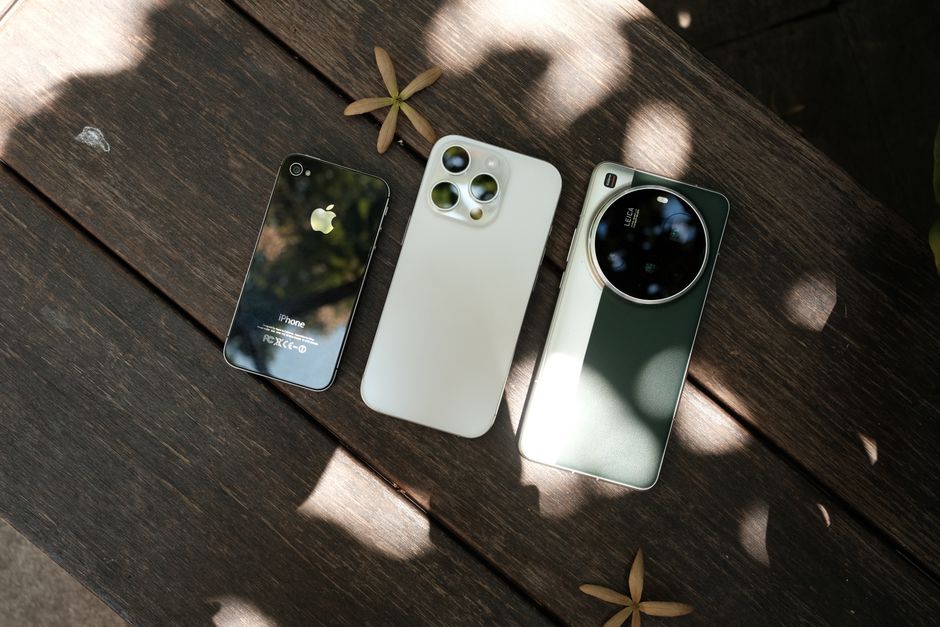
Before we pit them against each other, let’s briefly introduce the heavyweights that consistently dominate the conversation around best phone camera status:
- Apple iPhone (e.g., iPhone 15 Pro Max): Renowned for its consistency, natural color science, and unparalleled video capabilities. Apple’s approach often prioritizes realism and ease of use.
- Samsung Galaxy (e.g., Galaxy S24 Ultra): The king of versatility, boasting multiple lenses including impressive periscope zooms, vibrant processing, and a tendency to make photos “pop.”
- Google Pixel (e.g., Pixel 8 Pro): The computational photography pioneer. Pixels are famous for their ability to deliver stunningly balanced images, especially in challenging conditions, often with a more natural, less processed look straight out of the camera.
- Others (e.g., Xiaomi 14 Ultra, Oppo Find X7 Ultra): These brands are increasingly pushing the envelope with massive sensors, variable apertures, and advanced optics, often collaborating with traditional camera brands like Leica or Hasselblad to hone their image science.
Each of these devices brings a distinct philosophy to the table, influencing everything from color rendition to dynamic range. It’s this diversity that makes a true smartphone camera comparison so fascinating. (See also: Flagship Smartphone Cameras Compared: Which Takes the Best Photos?)
Beyond the Specs: Real-World Performance of Flagship Smartphone Cameras
Numbers on a spec sheet tell only part of the story. The true test of a camera lies in its real-world performance across various scenarios. We’ve put these phones through their paces, from sun-drenched landscapes to dimly lit interiors.
Daylight Photography: Detail, Color, and Dynamic Range
In ideal lighting, nearly all flagship phones produce excellent results. The differences become apparent in the nuances:
- iPhone: Consistently delivers natural, true-to-life colors and excellent dynamic range. Photos often look ready to share without much editing.
- Samsung Galaxy: Tends to produce more saturated and vibrant images. This can be great for social media, but sometimes veers into oversaturation. Its dynamic range is also top-tier, though, handling bright skies and deep shadows with aplomb.
- Google Pixel: Excels at balancing exposure and preserving detail in both highlights and shadows, thanks to its superb HDR+ processing. Colors are usually accurate, leaning slightly warmer than the iPhone.
- Xiaomi/Oppo: Often leverage their large sensors for natural bokeh and incredible detail, sometimes offering a more “photographic” feel akin to a dedicated camera, though their processing can still be a bit less consistent than the established players.
Low-Light Photography: The Ultimate Test
This is where computational photography truly shines. All modern flagships have advanced night modes, but their approaches and results vary significantly.
- Google Pixel: Historically the leader in low light, the Pixel continues to impress with its ability to pull out detail and manage noise, often producing bright, natural-looking images even in near darkness.
- iPhone: Has made huge strides, delivering cleaner, more detailed low-light shots than ever before. Its night mode is intuitive and effective, maintaining good color accuracy.
- Samsung Galaxy: Can produce very bright low-light images, sometimes even brighter than reality. However, this can occasionally come at the cost of fine detail and introduce a bit more noise or an overly processed look compared to Pixel or iPhone.
- Xiaomi/Oppo: With their large sensors, these phones can capture a lot of light naturally. Their night modes are powerful, often providing incredibly detailed and bright results, but consistency across different challenging scenarios can still be a minor point of differentiation.
Zoom and Ultra-Wide Capabilities
Beyond the main sensor, the secondary lenses add significant versatility. Samsung’s Ultra models are legendary for their periscope telephoto lenses, offering incredible reach (e.g., 10x optical zoom) that no other phone consistently matches in quality. iPhones and Pixels offer excellent 2x-5x optical zooms, which are very practical for everyday use. Ultra-wide lenses across the board have improved, with better detail and less distortion, though the iPhone often leads in edge correction and color consistency with the main lens.
Portrait Mode and Video Recording
Portrait Mode: Edge detection and bokeh quality are critical. Google Pixel often delivers the most natural-looking bokeh and accurate edge detection. iPhone is also excellent, especially with human subjects. Samsung can sometimes be a bit aggressive with its blur, but offers great customization.
Video Recording: This is unequivocally where the iPhone reigns supreme. Its video quality, stabilization, dynamic range, and seamless transitions between lenses are industry-leading. Samsung and Pixel have improved dramatically, but Apple’s video remains the benchmark for mobile. Features like Cinematic Mode (iPhone) and advanced stabilization across all flagships make them powerful tools for content creation.
The Verdict: Which Flagship Smartphone Camera Takes the Best Photos?
After countless shots and rigorous testing, the answer isn’t a simple “X phone wins.” Instead, it’s about understanding your priorities and what you value most in your flagship phone photos.
- For the ultimate all-rounder and video powerhouse: The iPhone Pro Max is incredibly consistent, reliable, and simply unmatched for video recording. If you want natural-looking photos and best-in-class video, this is your pick.
- For versatility and zoom: The Samsung Galaxy Ultra offers an incredible range of lenses, from ultra-wide to super telephoto, making it a fantastic choice for those who love to experiment and capture subjects at a distance. Its photos are vibrant and eye-catching.
- For computational magic and natural, balanced images: The Google Pixel Pro consistently delivers stunning results, especially in challenging lighting. If you prioritize accurate colors, excellent dynamic range, and a “set it and forget it” approach that often yields the best results without tweaking, the Pixel is your champion.
- For cutting-edge hardware and unique character: Phones from Xiaomi or Oppo are pushing boundaries with large sensors and unique optical features, often providing a distinct photographic style. If you’re an enthusiast looking for something a bit different and don’t mind a slightly less polished software experience, they’re worth exploring.
The truth is, there’s no single “best” camera phone. Each of these flagship smartphone cameras is an engineering marvel, capable of capturing breathtaking images. The differences often boil down to subtle preferences in color science, processing, and specific feature sets. What’s clear is that the competition is driving innovation at an unprecedented pace, and as consumers, we’re the beneficiaries.
Ultimately, the best camera is the one you have with you, and any of these flagships will serve you incredibly well. So go forth, snap those memories, and enjoy the incredible power of modern mobile photography!
❓ Frequently Asked Questions
What defines a ‘flagship’ smartphone camera?
Flagship smartphone cameras typically refer to the top-tier imaging systems found in a brand’s most premium device, featuring advanced sensors, lenses, and AI processing.
Which factors are most important for smartphone camera image quality?
Key factors include sensor size, aperture, optical image stabilization (OIS), computational photography algorithms, and software processing, which all contribute to sharpness, dynamic range, and color accuracy.
Does the most expensive flagship phone always have the best camera?
Not necessarily. While high-end phones often boast excellent cameras, performance can vary based on specific lighting conditions, user preferences, and software optimization, sometimes making a slightly less expensive model a better fit.
How important is computational photography for modern smartphone cameras?
Computational photography is crucial, leveraging AI and machine learning to combine multiple exposures, enhance details, improve low-light performance, and simulate effects like bokeh, making it indispensable for today’s smartphone image quality.



Leave a Reply