OLED, AMOLED, LTPO Explained: Smartphone Display Tech Guide
admin
3 weeks ago
The gateway to our digital lives, the window to our virtual worlds, and arguably the most critical component of any modern handheld device: the smartphone display. It’s where every pixel of information, every vibrant image, and every crucial interaction takes place. Understanding the underlying smartphone display technology is key to appreciating why some screens simply look better, last longer, or feel smoother than others. Today, we’re diving deep into the tech that makes those pixels pop, focusing on OLED, AMOLED, and the game-changing LTPO.
📋 Table of Contents
Gone are the days when a simple LCD panel was the only option. The evolution of mobile screen types has been rapid and revolutionary, bringing cinema-quality visuals and unparalleled efficiency to the palm of our hands. From the initial burst of color to the nuanced power management, these technologies dictate much of our daily smartphone experience.
Demystifying Smartphone Display Technology: OLED and AMOLED
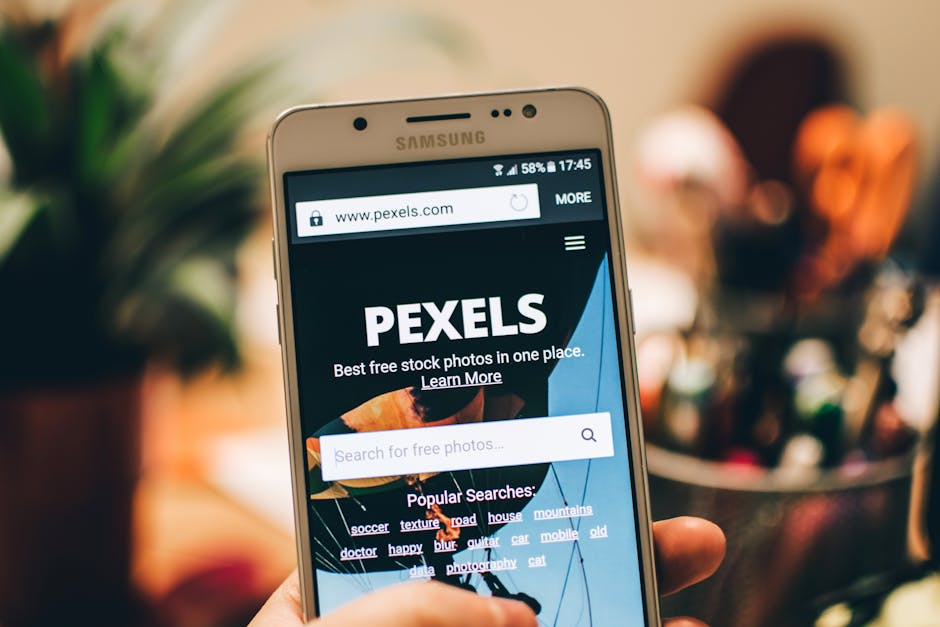
When you hear about premium smartphone screens, two acronyms often pop up together: OLED and AMOLED. While they sound similar, and indeed are closely related, understanding their nuances is crucial for any tech enthusiast.
OLED: Organic Light-Emitting Diode
At its core, OLED stands for Organic Light-Emitting Diode. Unlike traditional LCDs (Liquid Crystal Displays) that require a separate backlight to illuminate their pixels, OLED panels are self-emissive. This means each individual pixel generates its own light. This fundamental difference leads to several significant advantages: (See also: FitXR Expands Beyond VR: Personalized Smartphone Workouts App)
- True Blacks: When an OLED pixel needs to display black, it simply turns off. This results in perfect, inky blacks and an infinite contrast ratio, making images incredibly vivid and lifelike.
- Vibrant Colors: OLED displays are renowned for their wide color gamut and saturation, making everything from games to photos truly pop.
- Power Efficiency: For content with dark themes or significant black areas, OLED screens can be more power-efficient than LCDs, as unlit pixels consume no power.
- Thinness and Flexibility: Without a backlight layer, OLED panels can be made incredibly thin and even flexible, paving the way for foldable phones and innovative designs.
- Faster Response Times: Individual pixels changing state directly results in incredibly fast response times, reducing motion blur – a boon for fast-paced gaming.
However, early OLED panels did have some drawbacks, such as potential for ‘burn-in’ (image retention) and often lower peak brightness compared to the best LCDs, though significant advancements have largely mitigated these concerns in modern implementations. (See also: Top Android Phones for Every Budget in 2025 Guide)
AMOLED: Active Matrix Organic Light-Emitting Diode
If OLED is the general principle, then AMOLED is a specific, more advanced implementation. The ‘AM’ in AMOLED stands for Active Matrix. This refers to the sophisticated backplane technology used to control each pixel. Instead of a passive matrix (which has slower response times and is less suitable for larger, high-resolution screens), an active matrix employs a thin-film transistor (TFT) array behind each pixel.
This active matrix allows for much faster and more precise control of individual pixels, enabling:
- Higher Resolution and Larger Screens: The active matrix can efficiently drive a vast number of pixels, making high-resolution screens on larger devices (like tablets and TVs, but especially smartphones) practical.
- Faster Refresh Rates: The active control facilitates higher refresh rates, crucial for smooth scrolling and gaming.
- Always-On Display (AOD): Since only specific pixels need to be lit for AOD features, AMOLED is perfectly suited for showing time, notifications, and other glanceable info without draining much battery.
Samsung has been a pioneer in AMOLED technology, with their ‘Super AMOLED’ branding often associated with some of the best mobile displays on the market. Super AMOLED panels integrate the touch sensor layer directly into the display itself, making the screen even thinner, lighter, and more responsive.
The Next Frontier in Smartphone Display Technology: Enter LTPO
While OLED and AMOLED define the visual quality, a relatively newer player, LTPO, is revolutionizing power efficiency and fluidity. LTPO isn’t a display type itself; rather, it’s a critical backplane technology that works *with* OLED/AMOLED panels.
LTPO: Low-Temperature Polycrystalline Oxide
LTPO stands for Low-Temperature Polycrystalline Oxide. It’s a hybrid backplane technology that combines the best aspects of two existing transistor technologies: LTPS (Low-Temperature Polycrystalline Silicon) and IGZO (Indium Gallium Zinc Oxide). What makes LTPO so special?
The magic of LTPO lies in its ability to enable a variable refresh rate (VRR) that can dynamically scale down to incredibly low frequencies, often as low as 1Hz, and up to high frequencies like 120Hz or even 144Hz. Traditional LTPS backplanes can handle high refresh rates but struggle with very low ones efficiently, while IGZO excels at low frequencies but isn’t as good for high performance.
By combining them, LTPO allows the display to intelligently adjust its refresh rate based on the content being shown:
- 1Hz for Static Content: When you’re looking at a static image, reading an e-book, or using an always-on display, the screen only needs to refresh once per second, saving a huge amount of power.
- 24Hz/30Hz/60Hz for Video: The display can match the frame rate of video content, ensuring smooth playback without unnecessary refreshes.
- 90Hz/120Hz for UI and Gaming: When scrolling through your feed, interacting with the UI, or playing a demanding game, the refresh rate ramps up to deliver buttery-smooth visuals and responsiveness.
The impact of LTPO is twofold: a significantly smoother and more immersive user experience across all types of content, combined with substantial battery savings. This is particularly important for high-refresh-rate displays, which can otherwise be major power hogs. Flagship smartphones from Apple, Samsung, Google, and OnePlus have rapidly adopted LTPO technology to deliver premium experiences without compromising battery life.
The Synergy and What It Means For You
Today’s best smartphone displays often combine these technologies. You’ll find devices sporting “AMOLED with LTPO backplane,” delivering the vibrant colors and deep blacks of OLED, the high resolution and responsiveness of AMOLED, and the incredible power efficiency and variable refresh rates enabled by LTPO. This synergy results in screens that are not just visually stunning but also incredibly smart and efficient.
Beyond these core technologies, factors like peak brightness, color accuracy (Delta E values), HDR support (HDR10+, Dolby Vision), and pixel density (PPI) also play crucial roles in overall display quality. When choosing your next smartphone, understanding these fundamental display tech explained will empower you to make an informed decision, ensuring your window to the digital world is as brilliant and efficient as possible.
From the individual pixel’s glow in an OLED to the intelligent power management of LTPO, the advancements in smartphone display technology continue to redefine what’s possible. These aren’t just buzzwords; they represent tangible improvements that enhance every touch, every scroll, and every visual experience on our most personal devices. The future promises even more innovation, but for now, knowing your OLED from your AMOLED, and appreciating the power of LTPO, puts you ahead of the curve in understanding the heart of your phone.
❓ Frequently Asked Questions
What is the difference between OLED and AMOLED displays?
AMOLED (Active Matrix Organic Light Emitting Diode) is a specific type of OLED display that uses an active matrix backplane, enabling faster refresh rates and more precise pixel control than passive matrix OLEDs.
How does LTPO technology enhance smartphone displays?
LTPO (Low-Temperature Polycrystalline Oxide) technology allows displays to dynamically adjust their refresh rate from as low as 1Hz up to 120Hz, significantly improving power efficiency by only using high refresh rates when needed.
Is AMOLED better than OLED for smartphones?
In modern smartphones, AMOLED is generally considered an advanced form of OLED, offering better power efficiency, higher refresh rates, and more precise control over individual pixels, leading to superior display quality.
What are the main benefits of LTPO displays?
The primary benefits of LTPO displays are extended battery life due to dynamic refresh rates, smoother user experience with adaptive high refresh rates, and improved efficiency for features like always-on displays.

Leave a Reply