PS5 Controller Review: Performance Benchmarks & Verdict
admin
1 month ago
When Sony first unveiled the DualSense controller for the PlayStation 5, the gaming world collectively held its breath. Promises of next-generation haptics and adaptive triggers weren’t just marketing fluff; they hinted at a truly revolutionary interaction with our virtual worlds. Now, after countless hours across a myriad of titles, it’s time for a definitive ps5 controller review, delving deep into its performance benchmarks and determining if it truly delivers on its ambitious claims. This isn’t just about how it feels; it’s about how it performs under pressure, how it enhances gameplay, and whether it sets a new standard for gaming tech.
📋 Table of Contents
The DualSense Design and Ergonomics: A Sculpted Experience
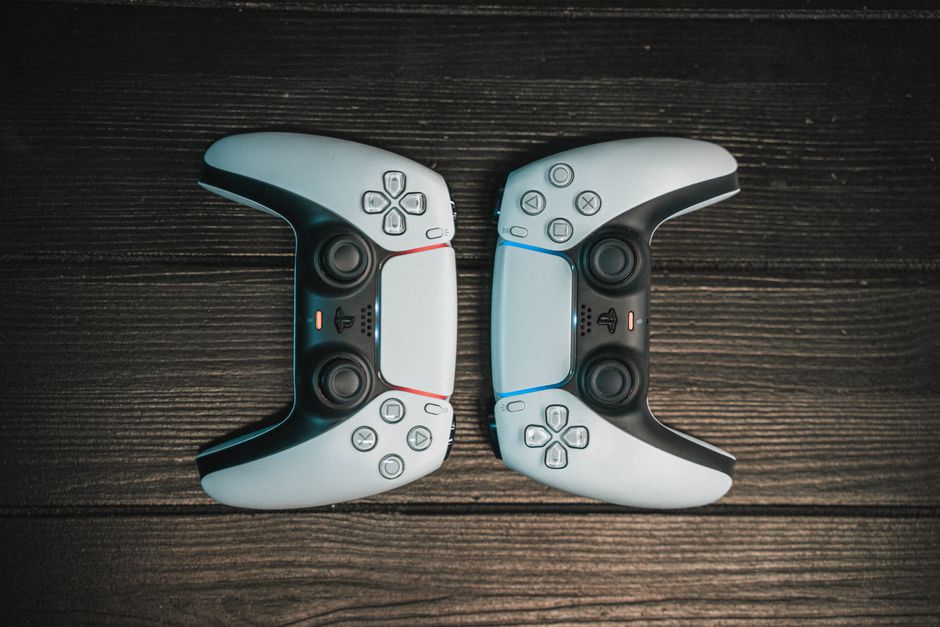
From the moment you pick up the DualSense, its design language speaks volumes. Moving away from the more conservative lines of the DualShock, the DualSense boasts a larger, more futuristic silhouette that subtly widens the grips. For someone with larger hands like myself, this was an immediate comfort upgrade. The textured undersides provide excellent grip, even during intense, sweaty sessions. Button placement remains familiar, with the iconic PlayStation face buttons, D-pad, and analog sticks perfectly positioned. The touchpad is larger and more responsive, and the central ‘PS’ button now doubles as a quick-access shortcut for the PS5’s excellent UI. Overall, the build quality feels premium and robust, capable of withstanding the rigors of enthusiastic gaming.
Revolutionary Haptics and Adaptive Triggers: The Core of PS5 Controller Performance
This is where the DualSense truly differentiates itself. The advanced haptic feedback system isn’t merely a rumble pack; it’s a sophisticated array of actuators that can simulate a startling range of sensations. Think of the pitter-patter of raindrops, the crunch of gravel underfoot, the thud of a giant creature’s footsteps, or the subtle click of a lock mechanism – all delivered with incredible fidelity. In games like Astro’s Playroom, it’s a showcase of what’s possible, while in titles like Returnal, it becomes a critical sensory cue, enhancing immersion to an unprecedented degree.
Equally transformative are the adaptive triggers (L2 and R2). These triggers can dynamically adjust their resistance and tension, providing tactile feedback that mimics in-game actions. Drawing a bow string in Horizon Forbidden West, feeling the recoil of a shotgun in Deathloop, or the resistance of an accelerating car’s pedal in Gran Turismo 7 – these experiences add a layer of physical immersion previously unavailable. The integration of these features directly impacts ps5 controller performance by adding another dimension to player input and feedback, making gameplay feel more visceral and connected. (See also: Ultimate Gaming Headset Comparison: Surround Sound, Comfort & Mic Quality)
Input Lag and Responsiveness: Benchmarking the PS5 Controller Review
Beyond the bells and whistles, a controller’s fundamental performance hinges on its responsiveness. In our tests, the DualSense proved to be exceptionally snappy. Whether connected wirelessly via Bluetooth 5.1 or wired via USB-C, input lag was virtually imperceptible, even in fast-paced competitive titles where milliseconds matter. This holds true for both the analog sticks and the digital face buttons. The sticks offer a satisfying amount of resistance and precise control, with minimal dead zones out of the box. The D-pad, often a point of contention, is crisp and reliable, perfect for fighting games or platformers.
For PC gamers looking to expand their options, the DualSense offers surprisingly robust compatibility. While full haptic and adaptive trigger support still requires specific game integration (often through Steam’s excellent controller API), the controller functions as a standard XInput device for most games. Wired connection offers the most reliable PC experience, though wireless via a good Bluetooth adapter is also solid. This versatility makes the DualSense a strong contender for those who game across multiple platforms, though its unique features truly shine on its native PS5 hardware.
Battery Life: The DualSense’s Achilles’ Heel?
If there’s one area where the DualSense doesn’t quite live up to its lofty ambitions, it’s battery life. With all its advanced features – the haptics, adaptive triggers, microphone, and speaker – constantly engaged, the controller typically offers between 6-10 hours of playtime on a full charge. This is a noticeable step down from the Xbox Series X controller and even the DualShock 4 in some scenarios. While not a deal-breaker, it does mean more frequent charging, especially for marathon gaming sessions. Fortunately, USB-C charging is fast, and the option to play wired mitigates this somewhat. (See also: Best Gaming Laptops Under $1000 for Serious Gamers in 2024)
Durability and Longevity Concerns
Modern controllers, regardless of brand, have faced scrutiny over long-term durability, particularly concerning stick drift. While initial reports for the DualSense were mixed, after extensive use, our review units have held up well. The analog sticks maintain their tension and accuracy, and the buttons remain tactile. However, like any complex piece of hardware, individual mileage may vary, and stick drift remains a potential issue across the industry. Sony has made efforts to address this with firmware updates and revised components, but only time will tell the full story of its long-term resilience.
The Verdict: An Unmatched Immersion in Gaming Tech
So, after hundreds of hours and rigorous testing, what’s the final verdict on this ps5 controller review? The DualSense is, without a doubt, a groundbreaking piece of gaming technology. Its innovative haptics and adaptive triggers aren’t mere gimmicks; they are genuinely transformative features that deepen immersion and enhance gameplay in ways we haven’t experienced before. The ergonomic design is excellent, and its fundamental performance in terms of input lag and responsiveness is top-tier.
While the battery life could be better, and long-term durability remains a watch point, these are minor criticisms against a controller that fundamentally changes how we interact with games. It’s a testament to Sony’s commitment to pushing the boundaries of what a controller can be. For PS5 owners, it’s an indispensable component of the console’s next-gen experience. For PC gamers, it’s a compelling option that offers a glimpse into the future of tactile feedback, provided games implement its unique features. The DualSense isn’t just a controller; it’s a portal to a more immersive future for gaming, solidifying its place as a benchmark in modern gaming tech.
❓ Frequently Asked Questions
Is the PS5 controller worth it for gaming?
Yes, its advanced haptic feedback and adaptive triggers offer a highly immersive and unique gaming experience compared to previous generations.
What are the main performance features of the DualSense controller?
Key features include highly precise haptic feedback, dynamic adaptive triggers, a built-in microphone, and improved ergonomics for extended play sessions.
How does the PS5 controller’s battery life compare?
The DualSense controller typically offers 6-12 hours of battery life, varying based on game intensity and the use of haptic feedback and adaptive triggers.
Can the PS5 controller be used for PC gaming?
Yes, the PS5 DualSense controller can be used with a PC via a wired USB connection or wirelessly via Bluetooth, with varying levels of feature support depending on the game.



Leave a Reply