Qualcomm Snapdragon Latest Chip: Performance & Devices Benchmarks
admin
2 months ago

The mobile technology landscape is a fiercely competitive arena, where innovation dictates leadership. At its heart lies the System-on-a-Chip (SoC), the brain of every smartphone, dictating everything from app responsiveness to camera prowess. When we talk about cutting-edge mobile processors, Qualcomm’s Snapdragon series inevitably dominates the conversation, setting the bar for high-end Android devices. This edition of AlkaTech delves deep into the latest iterations, scrutinizing the Qualcomm Snapdragon performance benchmarks and the devices that harness their immense power, redefining what’s possible in the palm of your hand. (See also: Is the AI Bubble Popping? Unpacking Earnings & Market Signals)
📋 Table of Contents
For years, Qualcomm Snapdragon has been synonymous with premium Android experiences, consistently pushing the envelope in raw processing power, graphics rendering, AI capabilities, and connectivity. Their relentless pursuit of technological advancement ensures that each new flagship chip arrives with significant improvements, directly impacting user experience across the board. From the fastest app launches to the most demanding gaming sessions, the underlying silicon is the unsung hero. Understanding the nuances of these chips, their architectural upgrades, and the real-world implications of their benchmark scores is crucial for anyone keen on the bleeding edge of mobile tech.
Unpacking the Latest Qualcomm Snapdragon Performance
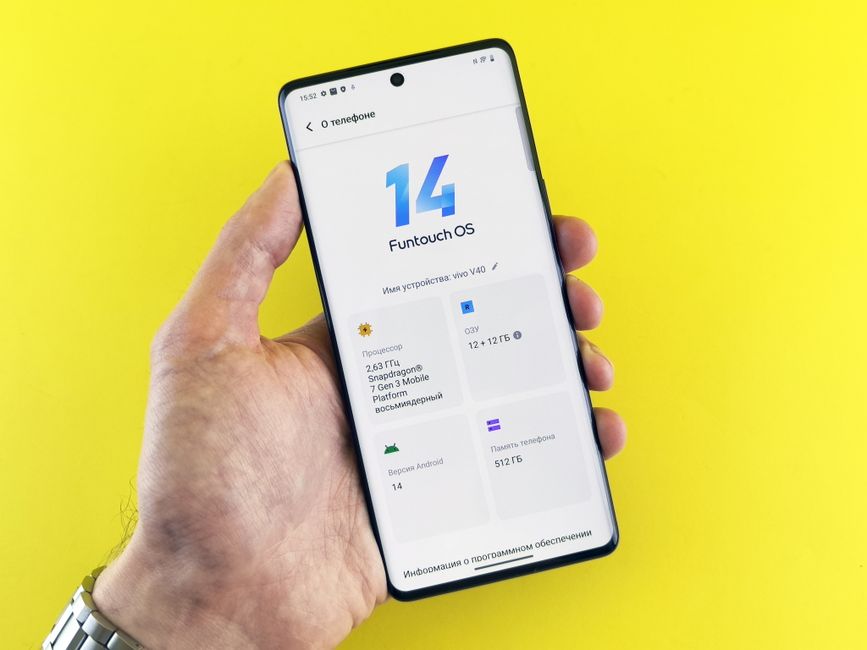
The most recent flagship offering, the Snapdragon 8 Gen 3, represents a monumental leap forward, built on a cutting-edge 4nm process. This chip isn’t just about raw clock speed; it’s a symphony of specialized cores working in harmony. Qualcomm has re-engineered the CPU architecture, often moving to a 1+5+2 configuration (one prime core, five performance cores, two efficiency cores), designed for optimal task distribution and power efficiency. This dynamic arrangement ensures that demanding applications have ample processing muscle, while lighter tasks consume minimal energy, extending battery life.
The Adreno GPU accompanying the 8 Gen 3 has seen substantial improvements, promising up to a 30% increase in graphics performance and a 25% boost in power efficiency compared to its predecessor. This translates directly into smoother, more immersive gaming experiences, supporting features like hardware-accelerated ray tracing for incredibly realistic lighting and reflections in mobile games. Beyond gaming, the enhanced GPU benefits high-resolution video editing, complex augmented reality (AR) applications, and even advanced photo processing.
Perhaps one of the most exciting developments is in the realm of Artificial Intelligence (AI). The integrated Qualcomm AI Engine has been supercharged, offering groundbreaking improvements in on-device AI processing. With capabilities to run large language models (LLMs) and large vision models (LVMs) directly on the device, the Snapdragon 8 Gen 3 transforms smartphones into powerful AI companions. This manifests in smarter virtual assistants, real-time language translation, advanced computational photography features (like enhanced image segmentation and generative fill), and predictive user interfaces that learn from your habits. The Hexagon NPU (Neural Processing Unit) is the heart of this AI prowess, delivering unparalleled speed and efficiency for machine learning tasks.
Snapdragon Benchmarks: The Numbers Game
While real-world usage is the ultimate test, synthetic benchmarks provide a standardized way to measure and compare the raw power of different chips. Here’s a look at what the latest Snapdragon chips, particularly the 8 Gen 3, are achieving:
-
Geekbench 6 (CPU Performance):
- Single-core: Typically scoring around 2,300-2,400 points, showcasing exceptional responsiveness for sequential tasks.
- Multi-core: Often reaching 7,500-7,900 points, indicating robust performance for intensive multitasking and parallel processing.
These scores highlight significant generational improvements, often 20-30% higher than the previous flagship Snapdragon 8 Gen 2, and competitive with, if not surpassing, some of the best mobile chips from competitors.
-
AnTuTu v10 (Overall System Performance):
- The Snapdragon 8 Gen 3 consistently breaks the 2,000,000-point barrier, often hitting 2,100,000 to 2,200,000 points.
AnTuTu provides a comprehensive score covering CPU, GPU, memory, and UX (user experience), offering a holistic view of the chip’s capabilities. These numbers underscore its prowess in handling all aspects of a modern smartphone experience.
-
3DMark Wild Life Extreme (GPU Performance):
- Scores range from 5,000-5,500 points, demonstrating stellar graphics rendering capabilities.
This benchmark pushes the GPU to its limits, simulating demanding gaming scenarios. The high scores signify sustained high frame rates and superior visual fidelity in the most graphically intensive mobile games. (See also: Meta Quest 3 Update: New VR Features & Enhancements Explained)
-
GFXBench (Graphics API Performance):
- Results in tests like Aztec Ruins Vulkan High Tier typically show frame rates upwards of 120-130fps, often even higher in specific offscreen tests.
These figures emphasize the chip’s ability to drive high-refresh-rate displays with ease, offering buttery-smooth animations and gameplay.
These impressive figures are not just theoretical; they translate directly into tangible benefits for end-users, from lightning-fast app launches to seamless transitions between demanding applications.
Devices Unleashing Peak Smartphone Performance
The true measure of any chip lies in its implementation. Leading smartphone manufacturers have wasted no time integrating the Snapdragon 8 Gen 3 into their latest flagships, leveraging its power to deliver unparalleled user experiences. Here are some of the standout devices:
- Samsung Galaxy S24 Ultra: Often featuring a custom “for Galaxy” variant of the 8 Gen 3, this device pushes the boundaries of AI integration, camera performance, and overall system fluidity. Its large, vibrant display and S Pen functionality are perfectly complemented by the chip’s raw power.
- OnePlus 12: Known for its “fast and smooth” philosophy, the OnePlus 12 harnesses the 8 Gen 3 to deliver exceptional gaming performance, rapid charging, and a highly responsive OxygenOS experience.
- Xiaomi 14 and Xiaomi 14 Ultra: Xiaomi consistently aims for top-tier performance, and their latest flagships showcase the Snapdragon 8 Gen 3’s capabilities in photography, video recording, and general system responsiveness, often paired with their HyperOS.
- Asus ROG Phone 8 Pro: Tailored for mobile gamers, this device pushes the Snapdragon 8 Gen 3 to its absolute limits, featuring advanced cooling solutions and software optimizations to sustain peak performance during extended gaming sessions.
- iQOO 12 Series, realme GT 5 Pro, and others: Numerous other brands are also adopting the 8 Gen 3, bringing its formidable capabilities to a wider range of premium devices, each with its unique take on design and feature set.
These devices don’t just use the chip; they optimize for it, integrating advanced cooling systems, high-speed RAM, and optimized software to extract every ounce of performance. This synergy between hardware and software is what truly elevates the user experience.
The Future of Qualcomm Snapdragon Performance
Looking ahead, the trajectory for Qualcomm Snapdragon chips remains exciting. We can expect further advancements in:
- Energy Efficiency: As performance increases, so does the demand for better battery life. Future chips will likely focus on even more sophisticated power management and process node shrinks.
- On-Device AI: The shift towards generative AI on smartphones will accelerate, with chips becoming even more capable of handling complex AI models locally, enhancing privacy and responsiveness.
- Gaming Innovations: Expect continued enhancements in mobile ray tracing, variable rate shading, and integration with cloud gaming services, blurring the lines between console and mobile gaming.
- Connectivity: 5G Advanced and Wi-Fi 7 will become standard, offering even faster and more reliable wireless communication.
In conclusion, the latest Qualcomm Snapdragon chip, particularly the 8 Gen 3, is not just an incremental update; it’s a powerhouse that redefines the limits of mobile computing. From scorching benchmark scores to transformative real-world applications in AI, gaming, and photography, it sets a new standard for smartphone performance. For consumers, this translates into devices that are more capable, more intelligent, and more responsive than ever before, truly making the smartphone an indispensable tool for the modern age. The race for mobile supremacy is far from over, but with its latest offerings, Qualcomm Snapdragon has firmly planted its flag at the summit, promising an exhilarating future for mobile technology.
❓ Frequently Asked Questions
What is the latest Qualcomm Snapdragon chip?
The latest chip is typically announced annually, often a new generation of the Snapdragon 8 series (e.g., Snapdragon 8 Gen 3 or its successor), offering significant performance and efficiency improvements for flagship devices.
Which devices feature the latest Snapdragon chip?
High-end flagship smartphones from brands like Samsung, Xiaomi, OnePlus, and Asus are usually among the first to integrate the newest Snapdragon processor into their premium models.
How much faster is the new Snapdragon chip compared to its predecessor?
Performance gains vary, but generally, the latest Snapdragon chip offers 20-30% CPU improvement, 25-40% GPU boost, and significantly enhanced AI capabilities over the previous generation.
What are the key performance benchmarks for the latest Snapdragon?
Key benchmarks include AnTuTu, Geekbench (CPU), GFXBench (GPU), and PCMark (overall system performance), which measure raw power, graphics rendering, and real-world usage scenarios.



Leave a Reply