Physical Games Thrive: Companies Ready as PlayStation Scraps Discs
admin
2 months ago
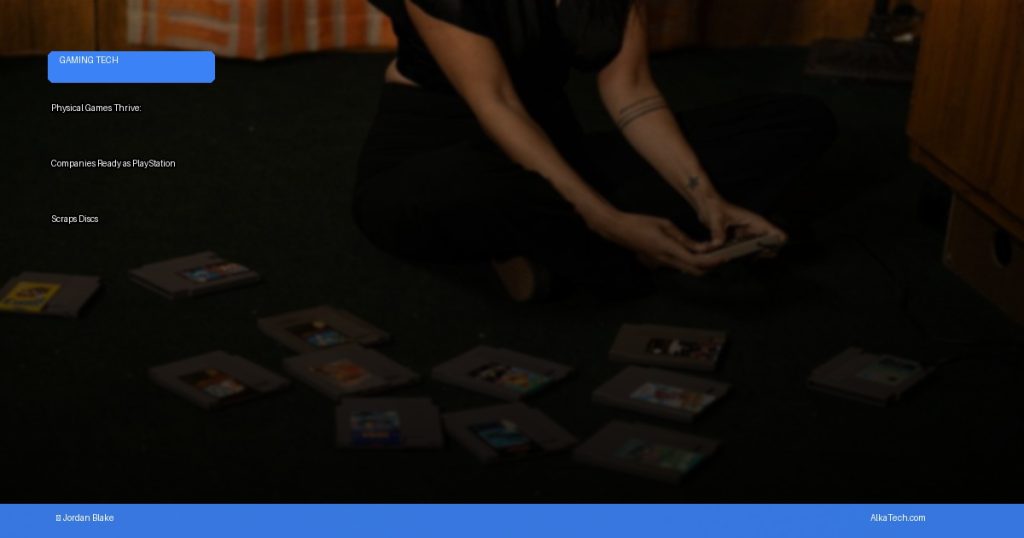
The writing has been on the wall for a while now, but with recent moves by industry giants like PlayStation, the specter of an entirely digital gaming landscape looms larger than ever. For many enthusiasts, this raises critical questions about physical games preservation, a topic that has fueled passionate debate for years and now finds itself at a pivotal crossroads. As a gaming enthusiast and hardware reviewer, I’ve watched this shift with a mixture of fascination and trepidation, keenly aware of what we stand to lose in a purely digital future. Yet, a vibrant ecosystem of companies is not only refusing to let physical media die but actively thriving, ready to meet this challenge head-on.
📋 Table of Contents
The news that PlayStation is seemingly doubling down on a disc-less future, even hinting at the eventual phase-out of physical drives in its consoles, sent ripples through the community. While the convenience of digital downloads is undeniable, the implications for consumer ownership, long-term access, and the very concept of game archiving are profound. When you buy a digital game, you’re often purchasing a license to access it, not outright ownership. This distinction becomes critical when storefronts close, servers go offline, or licenses are revoked, potentially rendering vast swathes of gaming history inaccessible. It’s a future that many, including myself, find deeply concerning, but thankfully, not everyone is content to merely watch it unfold.
The Fight for Physical Games Preservation: A New Era

Enter the heroes of our story: a dedicated cohort of publishers and distributors who specialize in bringing games, often beloved indie titles or cult classics, to physical formats. Companies like Limited Run Games, iam8bit, Super Rare Games, and Fangamer have carved out a significant niche by catering to collectors, preservationists, and anyone who simply prefers the tactile satisfaction of owning a game cartridge or disc. These aren’t just manufacturers; they are curators, often collaborating directly with developers to ensure that the physical release is not just a copy but a celebration of the game itself.
I recently spoke with representatives from several of these companies, and there’s a palpable sense of purpose, almost a quiet defiance, in their operations. One executive, echoing a sentiment shared by many, told me, “We’ve set this company up in preparation for this moment.” It’s a declaration of readiness, a testament to foresight in a rapidly shifting industry. They saw the digital tide rising years ago and positioned themselves not as an opposition force, but as an essential alternative, ensuring that the option for physical ownership remains available.
What these companies offer goes far beyond just a disc in a box. Their releases are often meticulously crafted collector’s editions, complete with bespoke cover art, comprehensive instruction manuals (a tragically lost art in modern gaming!), soundtracks, art books, and other memorabilia. They transform a digital download into a tangible piece of art, a collectible that holds intrinsic value beyond its playability. This approach resonates deeply with a demographic that values the artistry, history, and permanence of video games.
Why Physical Matters: Beyond the Disc
The reasons for championing physical games are manifold and deeply personal for many. For me, as a hardware enthusiast and reviewer, it boils down to several core tenets:
- True Ownership: When you buy a physical game, you own the media. It’s yours to keep, display, lend, or resell. It doesn’t disappear if a digital storefront shuts down or if your account is banned.
- Archival & Preservation: Physical media provides a direct means of preserving games for future generations. It bypasses the need for server authentication, download codes, or specific digital rights management (DRM) that can become obsolete. This is crucial for gaming history.
- The Collector’s Appeal: There’s an undeniable joy in having a curated collection lining your shelves. The artwork, the feel of a manual, the weight of the box – these are all part of the experience that digital simply cannot replicate.
- The Gift-Giving Experience: Handing someone a beautifully packaged game, rather than just emailing a code, carries a different emotional weight.
- Offline Play & Reliability: No internet connection required to download large files or patches just to start playing (though patches are often still beneficial, the core game is there). It’s a more reliable, self-contained experience.
These aren’t just nostalgic whims; they are practical considerations for the long-term health of the gaming ecosystem. The sheer volume of digital-only titles that could be lost to time is staggering. These specialized publishers are effectively acting as digital archaeologists, unearthing fantastic games and giving them a physical form that can endure. (See also: Classic 2000s Xbox Games Arrive on Windows 11: First 4 Titles Revealed)
Ensuring Long-Term Physical Games Preservation Against All Odds
Operating in this niche isn’t without its challenges. These companies navigate complex licensing agreements, manage limited production runs, and contend with global supply chain issues, all while maintaining strict quality control to meet the high expectations of their discerning customer base. Their success is a testament to the unwavering demand for physical media, proving that even as the industry pivots, a significant portion of the gaming community is unwilling to let go of the tangible. (See also: Steam Machine Review: Is Valve’s Couch Gaming PC Worth the Price?)
The future, of course, remains uncertain. PlayStation’s rumored intentions are a powerful indicator of the direction major platform holders wish to take. However, the resilience and growing influence of companies dedicated to physical releases offer a potent counter-narrative. They are not just selling games; they are selling a principle: the right to own, the joy of collecting, and the commitment to physical games preservation.
As long as there are passionate gamers who value the permanence and tangibility of physical media, these companies will continue to stand as a vital bulwark against a purely digital future. They are not merely preserving games; they are preserving choice, a fundamental right for consumers in an increasingly controlled digital landscape. So, while PlayStation might be scrapping discs, rest assured, the spirit of physical gaming is alive and well, championed by those who truly understand its enduring value.
❓ Frequently Asked Questions
Why is PlayStation reportedly moving away from physical discs?
PlayStation’s shift to a digital-only future is primarily driven by the cost efficiencies of digital distribution, evolving consumer habits, and potentially streamlining their console hardware.
What challenges do companies face in keeping physical games alive?
Companies dedicated to physical games face challenges such as manufacturing costs, distribution logistics, competition with digital storefronts, and changing consumer preferences for convenience.
How are companies innovating to preserve physical games?
These companies are innovating through limited edition releases, focusing on niche markets, enhancing collectible packaging, and fostering strong community engagement to maintain demand for physical media.
What are the benefits of owning physical games in a digital era?
Benefits include true ownership without reliance on digital licenses, collectible value, the ability to resell or lend games, and a tangible connection to the gaming experience.



Leave a Reply