Apple iPhone Leasing: Why Not Everyone Is Buying The Upgrade Offer
admin
2 months ago

The old adage, ‘if you can’t buy it, you can’t afford it,’ is ringing louder than ever in the tech sphere as Apple rolls out its ambitious new multi-product leasing initiative. While designed to make premium devices more accessible, not everyone is rushing to embrace the Apple iPhone Leasing offer. This new program, dubbed ‘Apple Upgrade,’ aims to redefine how consumers acquire and interact with their essential tech, moving away from traditional ownership towards an endless product subscription model. But beneath the shiny veneer of perpetual upgrades lies a complex financial proposition that has many consumers, and indeed analysts, questioning its true value.
📋 Table of Contents
For years, Apple has been a master of crafting desire, positioning its products not just as gadgets, but as status symbols and indispensable tools. Yet, with flagship iPhone prices consistently pushing past the four-figure mark, the barrier to entry for many has become increasingly steep. Apple Upgrade is Cupertino’s latest attempt to address this iPhone affordability challenge, bundling hardware with services into a single, predictable monthly payment. But does this shift truly benefit the consumer, or is it a savvy move to lock users deeper into the Apple ecosystem?
The Promise of Perpetual Upgrades: What is Apple iPhone Leasing?
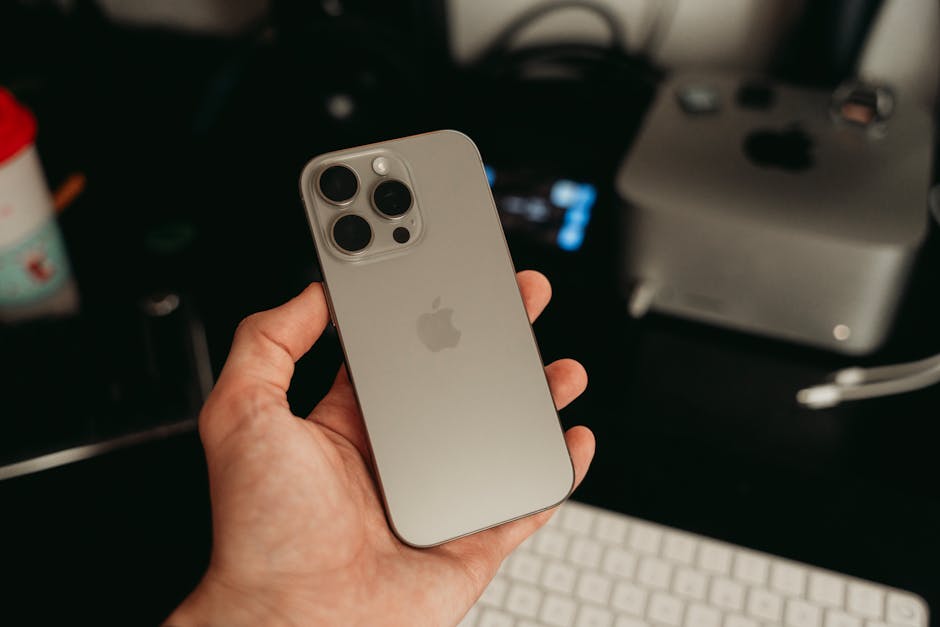
Apple Upgrade isn’t just a rebranded financing scheme; it’s a fundamental shift in product acquisition. Unlike the existing iPhone upgrade program, which was essentially a 0% APR financing plan leading to ownership with an optional trade-in, Apple Upgrade is a true leasing model. Subscribers pay a monthly fee that covers not just the device itself, but also AppleCare+ and potentially a bundle of Apple services like Apple Music, Apple TV+, Apple Arcade, and iCloud+. (See also: Meta Quest 3 Update: New VR Features & Software Explained)
- Multi-Product Integration: While the spotlight is on the iPhone, the program is designed to encompass multiple product categories. Imagine paying one monthly fee for your iPhone, Apple Watch, iPad, and even a MacBook, all eligible for regular upgrades as new models are released.
- Predictable Costs: For a generation accustomed to subscription services, the appeal of a single, fixed monthly payment for their tech stack is clear. It removes the large upfront cost of a new device and the worry of unexpected repair bills.
- Always Latest Tech: The core selling point is the ability to always have the latest device. Typically, after a set period (e.g., 12 or 24 months), subscribers can trade in their current device for the newest model, continuing their monthly payments.
On the surface, it sounds like a dream for early adopters and those who prefer to offload the hassle of selling old devices. No more paying full price, no more dealing with trade-in values, just a seamless transition to the next big thing. However, this convenience comes with a significant caveat: you never truly own the device.
Beyond the iPhone Upgrade Program: A Lease, Not a Purchase
It’s crucial to differentiate the new Apple iPhone Leasing from its predecessor. The original iPhone upgrade program, while offering annual upgrades, was still a path to ownership. After the 24-month term, you owned the device outright. Apple Upgrade, conversely, is a lease. Your monthly payments grant you usage of the device, but the hardware remains Apple’s property. This distinction is paramount when evaluating the long-term financial implications.
The Affordability Illusion: Why Apple iPhone Leasing Raises Eyebrows
The marketing push for Apple Upgrade will undoubtedly focus on iPhone affordability. Smaller monthly payments can indeed make a high-end device seem more attainable. But critics are quick to point out that ‘affordable’ monthly payments don’t necessarily equate to ‘cheaper’ in the long run.
- The Cost of Never-Ending Payments: If you’re perpetually leasing, you’re perpetually paying. For users who typically hold onto their iPhones for three, four, or even five years, the cumulative cost of leasing could far exceed the cost of buying a device outright and keeping it. The value proposition only truly shines for those who *must* have the latest model every year or two.
- Loss of Asset Ownership: Many consumers appreciate owning their assets. An iPhone purchased outright retains resale value, offering a tangible asset that can be sold or traded in to offset the cost of a future purchase. With leasing, there’s no residual value to claim at the end of your term – you simply return the device.
- Subscription Fatigue is Real: Consumers are already drowning in subscriptions. From streaming services to software, the monthly debit pile can quickly become overwhelming. Adding another significant monthly charge, particularly for something as fundamental as a smartphone, might push many over the edge into ‘subscription fatigue.’
- Flexibility Concerns: What happens if your financial situation changes, and you need to exit the lease early? Standard leasing agreements often come with penalties for early termination, potentially trapping users in contracts they can no longer comfortably afford.
For Apple, the benefits are clear: guaranteed recurring revenue, stronger customer retention through ecosystem lock-in, and a steady supply of gently used devices for its certified refurbished program. It’s a brilliant business strategy, but one that shifts more financial risk and less long-term value to the consumer.
The ‘Luxury’ of Not Owning
Paradoxically, while positioned as an affordability solution, the Apple iPhone Leasing program could be seen as a luxury for those who prioritize convenience and novelty over long-term financial prudence. It caters to the segment of the market that always wants the bleeding edge technology and isn’t concerned with the eventual ownership of the hardware. For these users, the value lies in always having the best, without the upfront capital outlay. (See also: Starlink Latest Updates: Speed, Pricing & Global Coverage Explained)
However, for the majority of users, especially those carefully managing their budgets, the idea of paying indefinitely for a device they will never truly own remains a hard sell. It challenges a deeply ingrained consumer mindset of acquiring and possessing valuable goods.
Who Stands to Benefit Most?
The Apple Upgrade program isn’t inherently ‘bad,’ but its value proposition is highly dependent on individual usage patterns and financial philosophies. It will likely appeal most to:
- Tech Enthusiasts: Those who upgrade yearly anyway and appreciate the convenience of a streamlined process.
- Businesses: Companies looking to equip their employees with the latest tech without significant capital expenditure, treating devices as an operational expense.
- Budget-Conscious but Upgrade-Driven Users: Individuals who find the upfront cost prohibitive but are comfortable with recurring payments for constant upgrades.
However, for those who value ownership, plan to keep their devices for more than two years, or are wary of accumulating too many monthly subscriptions, the traditional outright purchase or even the older iPhone upgrade program (if still available for existing customers) may still offer better long-term value.
As Apple continues its transition into a services-first company, programs like Apple Upgrade are strategically vital. They cement customer loyalty and provide stable, predictable revenue streams. But for consumers, it’s a critical moment to exercise financial literacy and carefully weigh the allure of perpetual upgrades against the enduring wisdom of owning what you pay for. In a world increasingly dominated by subscriptions, discerning what truly makes something ‘affordable’ has never been more important.
❓ Frequently Asked Questions
What is Apple’s new iPhone leasing program?
Apple Upgrade is a new multi-product leasing program by Apple, allowing users to access the latest iPhones and other devices through a monthly subscription-like payment model rather than a direct purchase.
Why are some users critical of the Apple Upgrade leasing offer?
Critics argue that while the program lowers upfront costs, it can lead to a continuous cycle of payments without true ownership, potentially making devices more expensive in the long run for those who prefer to keep their tech longer.
Who is the Apple Upgrade program designed for?
The program is aimed at users who want to consistently have the latest Apple products without large upfront investments, or those who prefer a predictable monthly expense for their devices.
Is leasing an iPhone through Apple Upgrade cheaper than buying it?
Not always. While it reduces the initial cost, the total amount paid over the lease period might exceed the outright purchase price, especially if you hold onto your devices for extended periods or prefer outright ownership.



Leave a Reply