Smartphone Display Tech Explained: OLED, AMOLED & LTPO
admin
3 months ago

In the fast-paced world of consumer electronics, few components are as critical to our daily interaction with a device as its screen. The quality of your smartphone display technology directly impacts everything from browsing social media to binge-watching your favorite shows. For over a decade, I’ve tracked the evolution of Silicon Valley’s most coveted gadgets, and one constant has been the relentless pursuit of the perfect mobile canvas. Today, we’re diving deep into the alphabet soup of modern display tech: OLED, AMOLED, and LTPO, unraveling what makes them tick and why they matter for your next smartphone.
📋 Table of Contents
Understanding Smartphone Display Technology: OLED
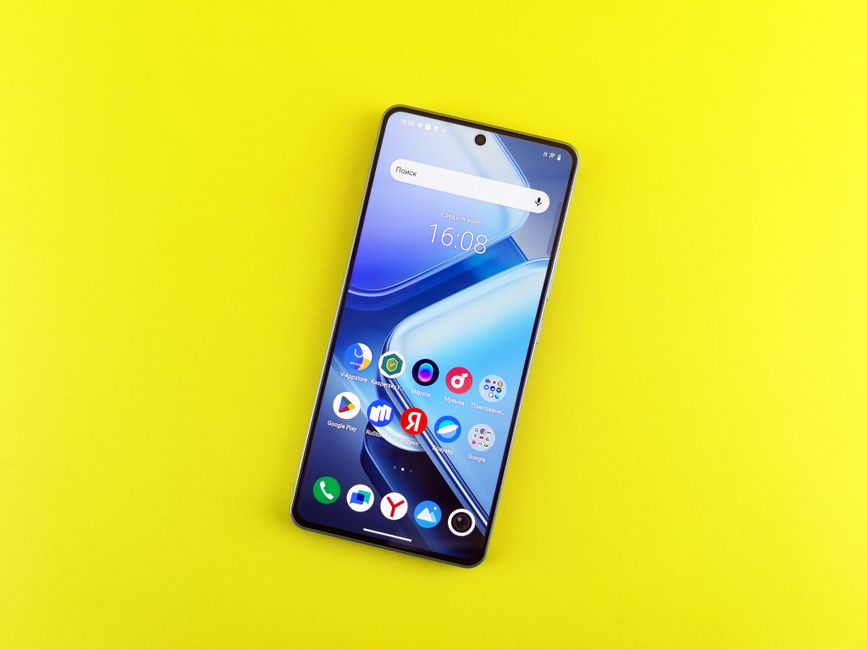
For years, LCD (Liquid Crystal Display) reigned supreme, but the advent of OLED (Organic Light-Emitting Diode) marked a significant leap forward in smartphone display technology. Unlike LCDs, which require a separate backlight to illuminate their pixels, OLED panels are self-emissive. This means each individual pixel generates its own light.
What does this mean for you, the user? A world of difference:
- True Blacks: When an OLED pixel is told to display black, it simply turns off. This results in absolute, inky blacks, creating an unparalleled contrast ratio compared to LCDs, where black pixels are merely blocking light from a backlight.
- Vibrant Colors: OLED displays are renowned for their ability to produce incredibly vibrant and saturated colors, often making content pop with a noticeable intensity.
- Wider Viewing Angles: Because light is emitted directly from each pixel, OLED screens maintain color accuracy and brightness even when viewed from extreme angles, a common weakness for many LCD panels.
- Power Efficiency (for dark content): Since individual pixels can be turned off, OLED screens consume less power when displaying darker content or using dark mode interfaces. This is a subtle but significant benefit for battery life.
However, OLED isn’t without its quirks. The most commonly cited concern is “burn-in,” where static images displayed for extended periods can leave a faint, permanent ghost image. While modern OLED panels have significantly mitigated this risk through sophisticated pixel shifting and software algorithms, it’s still a point of consideration, especially for devices with static UI elements. (See also: Best Android Phones for Every Budget in 2025)
The Evolution: AMOLED Technology Explained
Building on the foundation of OLED, we arrive at AMOLED, which stands for Active-Matrix Organic Light-Emitting Diode. The “Active Matrix” part is key here. In simple terms, it refers to the way the pixels are controlled.
An AMOLED display incorporates a thin-film transistor (TFT) array behind the OLED panel. Each pixel has its own transistor, which acts as a switch, allowing for individual pixel control. This active matrix system offers several crucial advantages over passive-matrix OLED (PMOLED), which is less common in smartphones:
- Faster Refresh Rates: The active matrix allows for much quicker pixel response times, leading to smoother animations, scrolling, and a more fluid overall user experience. This is crucial for high-refresh-rate displays found in today’s flagship phones.
- Lower Power Consumption: While OLED is already efficient, the active matrix control allows for more precise power delivery to each pixel, further optimizing energy use, especially at higher resolutions.
- Larger Display Sizes: The active matrix technology makes it more practical and cost-effective to produce larger, higher-resolution displays, which is why AMOLED is dominant in modern smartphones, smartwatches, and even some TVs.
You’ll often hear terms like “Super AMOLED,” “Dynamic AMOLED,” or “Retina XDR” tossed around by manufacturers. These are typically brand-specific marketing terms for advanced versions of AMOLED technology, often indicating improvements in brightness, color accuracy, HDR capabilities, or integration with touch layers for thinner profiles.
Unlocking Efficiency: LTPO Display Benefits
While OLED and AMOLED revolutionized visual quality, the next frontier was power efficiency, particularly as smartphone screens grew larger and refresh rates climbed. This is where LTPO (Low-Temperature Polycrystalline Oxide) technology enters the scene, and its benefits are primarily focused on battery life without sacrificing performance. (See also: How 5G Impacts Your Daily Smartphone Experience: A Real Look)
Traditionally, smartphone displays operate at a fixed refresh rate (e.g., 60Hz, 90Hz, 120Hz). A 120Hz display refreshes its image 120 times per second, offering incredibly smooth visuals but consuming significant power, even when the content on screen is static (like reading an article).
LTPO panels fundamentally change this. They incorporate a different type of backplane transistor that allows for a dynamic, variable refresh rate. This means:
- Adaptive Refresh Rates: An LTPO display can intelligently adjust its refresh rate based on the content being displayed. Scrolling through social media might trigger a high refresh rate (e.g., 120Hz) for buttery smoothness. But when you’re looking at a static photo or reading an e-book, the display can drop its refresh rate dramatically (e.g., to 10Hz or even 1Hz), significantly conserving power.
- Improved Always-On Displays: The ability to drop to ultra-low refresh rates makes Always-On Displays (AODs) far more power-efficient. Instead of constantly refreshing at 60Hz, an AOD on an LTPO panel might refresh only once per second (1Hz), barely sipping power.
- Extended Battery Life: This adaptive capability is the core benefit. By only using a high refresh rate when necessary, LTPO screens can extend your device’s battery life, giving you the best of both worlds: fluid visuals when you need them and maximum endurance when you don’t.
LTPO is not a display technology in itself like OLED or LCD; rather, it’s a backplane technology that enhances the performance and efficiency of OLED/AMOLED panels. It’s the secret sauce that allows premium smartphones to offer stunning 120Hz refresh rates without completely decimating your battery.
The Symphony of Modern Smartphone Display Technology
When you pick up a flagship smartphone today, chances are you’re experiencing the combined brilliance of AMOLED and LTPO. An AMOLED panel provides the vibrant colors, true blacks, and fast response times that make content look incredible. Layered beneath it, the LTPO backplane orchestrates the refresh rate, ensuring that those stunning visuals are delivered with unparalleled power efficiency.
This synergy is what delivers the premium viewing experience we’ve come to expect: incredibly smooth scrolling, immersive HDR content, vibrant photography, and an always-on display that offers glanceable information without battery anxiety. As tech journalists, we often focus on processors and cameras, but the display is your window into the entire smartphone experience. Understanding these technologies helps you appreciate the engineering marvels packed into your pocket.
The relentless innovation in smartphone display technology continues. As we look to the future, expect even brighter, more efficient, and potentially rollable or foldable screens to push the boundaries further. But for now, the OLED/AMOLED and LTPO combination represents the pinnacle of mobile display excellence, delivering an experience that’s as beautiful as it is intelligent.
❓ Frequently Asked Questions
What is the difference between OLED and AMOLED displays?
OLED (Organic Light-Emitting Diode) is the general technology, while AMOLED (Active-Matrix Organic Light-Emitting Diode) is a specific, more advanced type of OLED that uses an active matrix to control each pixel, allowing for faster refresh rates and better power efficiency.
How does LTPO technology improve smartphone displays?
LTPO (Low-Temperature Polycrystalline Oxide) is a backplane technology that enables variable refresh rates, dynamically adjusting from as low as 1Hz to 120Hz based on content, which significantly reduces power consumption and extends battery life.
Which display technology offers the best visual quality?
Both OLED and AMOLED displays generally offer superior visual quality compared to traditional LCDs, with perfect blacks, infinite contrast, and vibrant colors. AMOLED often provides slightly better performance due to its active matrix control.
Are LTPO displays common in modern smartphones?
Yes, LTPO display technology is becoming increasingly common in high-end flagship smartphones (e.g., iPhone Pro models, Samsung Galaxy Ultra) due to its significant benefits in battery life and smooth user experience with variable refresh rates.



Leave a Reply