Xbox’s Franchise Reset: Halo, Elder Scrolls & Fallout Future
admin
3 months ago
The gaming world is abuzz once again with whispers from Redmond, as a recent IGN opinion piece illuminates a potential seismic shift in Microsoft’s strategy. Entitled “Xbox’s ‘Reset’ – What its Franchise-First Future Could Look Like,” the article suggests that Xbox leadership is contemplating a significant **Xbox Franchise Reset**, aiming to prioritize and accelerate the output of its most beloved and blockbuster intellectual properties. This isn’t just a tweak; it’s a strategic pivot that could redefine the **Future of Xbox** as we know it, focusing intently on the heavy hitters like Halo, The Elder Scrolls, and Fallout. (See also: Gaming Security Alert: Captcha Session Stealers Like LummaStealer)
📋 Table of Contents
The Rationale Behind the Xbox Franchise Reset
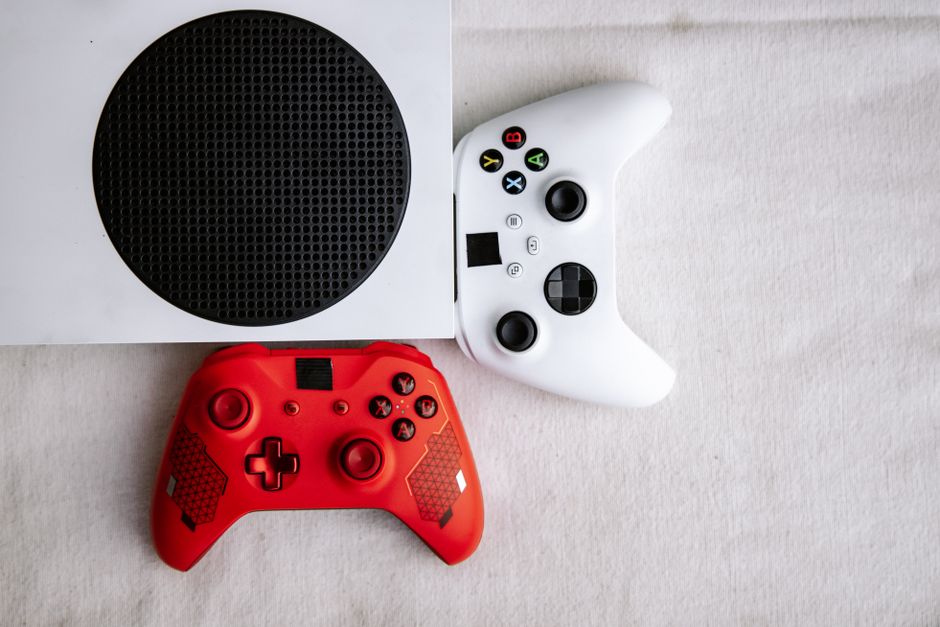
For years, Xbox has been lauded for its ambitious acquisitions and the promise of a vast, diverse Game Pass library. Yet, a persistent criticism has been the cadence of truly impactful, system-selling first-party exclusives. While Game Pass offers incredible value, the flagship titles that often drive console sales and cultural conversations have, at times, felt few and far between, or suffered from extended development cycles. This proposed **Xbox Franchise Reset** isn’t merely about making more games; it’s about making more of the *right* games, more often, to solidify Xbox’s position in a fiercely competitive market. (See also: Best Gaming Headsets: Surround Sound, Comfort & Mic Quality Compared)
This strategic re-evaluation likely stems from a deep dive into market performance, player engagement data, and a clear-eyed look at competitor successes. PlayStation, for instance, has masterfully leveraged its core franchises with consistent, high-quality output, often supplemented by strong single-player narrative experiences. Nintendo consistently delivers fresh takes on Mario, Zelda, and Pokémon. For **Microsoft Gaming**, the challenge has been translating its immense financial and creative resources into a sustained, high-impact release schedule for its crown jewels.
Learning from Past Mistakes and Competitors
One could argue that Xbox has historically been a bit too patient with its biggest names. Halo Infinite, while eventually well-received, had a notoriously rocky launch and a development cycle that felt protracted. The Elder Scrolls VI was announced years ago and remains a distant dream. Fallout 76, despite its transformation, initially eroded some goodwill. The new **Xbox Gaming Strategy** appears to be a direct response to these experiences, aiming for a more agile and frequent engagement with established fanbases.
The “reset” implies a more disciplined approach to development, perhaps breaking down monolithic projects into more manageable chunks, or leveraging multiple studios to work on different aspects of a franchise simultaneously. It could also mean a greater willingness to greenlight spin-offs, remasters, and smaller, experimental titles within an IP to keep the brand alive and fresh between major installments. The goal is clear: prevent the long lulls that allow player interest to wane and competitors to capture the spotlight.
Envisioning the Future: What a “Franchise-First” Xbox Looks Like
If Xbox truly commits to a franchise-first future, what might that look like for gamers? Imagine a world where the gaps between main Halo entries are filled with engaging spin-off campaigns, multiplayer expansions, or even narrative-focused side stories developed by different teams. Picture The Elder Scrolls not just as a single, monumental RPG every decade, but as a living, breathing universe supported by smaller, focused experiences – perhaps a Redguard-centric action-adventure, or a Morrowind remaster to tide us over.
For Fallout, this could mean more frequent updates to Fallout 76, but also dedicated single-player DLCs for future main entries that feel substantial, or even a return to isometric roots with a new turn-based RPG spin-off. The key is diversification within the IP: not every release has to be a $200 million blockbuster, but every release should add meaningful value and keep the franchise top-of-mind. This approach also synergizes perfectly with Game Pass, offering a constant stream of familiar, high-quality content to subscribers.
A Multi-Pronged Approach to IP Management
To achieve this, **Microsoft Gaming** will likely need to adopt a multi-pronged approach:
- Dedicated Franchise Hubs: Centralized teams overseeing the lore, direction, and long-term vision for each major IP, coordinating efforts across multiple development studios.
- Tiered Release Strategy: Differentiating between AAA main entries, AA spin-offs, live-service expansions, and smaller, experimental titles or remasters.
- External Studio Partnerships: Leveraging trusted external studios to develop games within an existing IP, freeing up internal teams for core projects.
- Cross-Media Expansion: Synchronizing game releases with TV shows, movies, and comics to create a unified, persistent brand presence, as we’ve seen with the Halo TV series or the upcoming Fallout show.
This holistic view of IP management ensures that even when a new main game isn’t out, the franchise remains active and relevant, continually drawing in new players and retaining veterans. It’s about building an ecosystem around each tentpole, not just a standalone product.
The Challenge of Resource Allocation and Innovation
Of course, this strategy isn’t without its challenges. The biggest hurdle will be balancing the desire for more frequent franchise content with the need for quality and innovation. Over-saturation can lead to franchise fatigue, where players tire of seeing the same names. Furthermore, dedicating significant resources to existing IPs could potentially stifle the creation of entirely new, groundbreaking intellectual properties – an area where Xbox has also faced scrutiny.
Microsoft Gaming will need to be incredibly judicious in how it allocates its vast resources. It’s a delicate dance between giving players what they want (more of their favorites) and surprising them with something they didn’t know they needed (new, innovative experiences). Maintaining high standards across multiple simultaneous projects within a franchise will require robust project management, effective communication between studios, and a clear, shared vision for each IP’s evolution.
Potential Pitfalls and the Importance of Execution in this Xbox Franchise Reset
While the prospect of more frequent, high-quality entries from beloved Xbox franchises is exciting, the success of this **Xbox Franchise Reset** hinges entirely on execution. The primary danger is quantity over quality. Rushing development or greenlighting too many spin-offs that don’t meet the high bar set by the main series could backfire, damaging the brand rather than enhancing it. Franchise fatigue is a very real phenomenon, and even the most ardent fans can be turned off by a deluge of uninspired content.
Another pitfall could be a lack of creative risk-taking. If every new game must fit neatly into an existing franchise, there’s less room for the bold, experimental ideas that sometimes lead to the next big hit. Microsoft will need to carefully define what “franchise-first” truly means – does it mean *only* franchise games, or just a stronger emphasis while still leaving room for new IP development?
Ultimately, player trust is paramount. Xbox must ensure that each new release, whether a main entry or a spin-off, feels like a valuable and well-crafted addition to the universe. Robust quality assurance, transparent communication with the community, and a genuine responsiveness to player feedback will be crucial. As a cybersecurity expert, I often emphasize the importance of secure, reliable digital infrastructure; similarly, in gaming, the foundation of a successful strategy is a secure and reliable development pipeline that consistently delivers polished experiences.
The IGN opinion piece suggests Xbox is on the cusp of a significant transformation. A true “franchise-first” strategy could indeed revitalize the **Future of Xbox**, providing a steady stream of highly anticipated titles that keep players engaged and Game Pass subscriptions flowing. However, it’s a high-stakes gamble that requires precision, foresight, and an unwavering commitment to quality. The potential rewards are immense, but so are the risks. We’ll be watching closely to see how Microsoft navigates this ambitious new chapter for **Microsoft Gaming**, hoping it leads to a more vibrant and consistent landscape for gamers everywhere.
❓ Frequently Asked Questions
What is Xbox’s ‘Reset’ initiative?
Xbox’s ‘Reset’ refers to its strategy to prioritize its biggest franchises like Halo and The Elder Scrolls, aiming for more frequent releases.
Which key franchises are central to this new Xbox strategy?
The core franchises include Halo, The Elder Scrolls, and Fallout, with Xbox seeking to leverage these IPs more effectively.
How does Xbox plan to achieve more frequent game releases?
Xbox aims to achieve this by optimizing resource utilization, streamlining development processes, and potentially leveraging new studio collaborations.
What could a ‘franchise-first’ future mean for Xbox gamers?
For gamers, it could mean more consistent access to beloved titles, potentially shorter waits between main series entries, and a stronger focus on key IPs.



Leave a Reply